

Moisture in power and distribution transformers is a major threat to reliability. It degrades the dielectric strength of the insulating oil, breaks down the solid cellulose (paper) insulation, and accelerates the overall aging process.
The pathways and mechanisms through which moisture enters a transformer depend heavily on its design. Below are the primary causes of moisture ingress in both sealed and conservator transformers.
1. Causes Common to Both Sealed and Conservator Transformers
Several mechanisms can introduce moisture regardless of the oil preservation system:
- Internal Generation (Cellulose Degradation): As the paper insulation (cellulose) aging progresses due to heat and electrical stress, a chemical reaction occurs that breaks down the paper molecules, producing water as a byproduct. This is an autocatalytic process: the more moisture is present, the faster the paper degrades and generates more water.
- Gasket and Seal Degradation: Over time, gaskets (on bushings, cover lids, valves, pumps, and inspection ports) degrade, crack, or become compressed unevenly. Due to thermal expansion and contraction, oil can slowly seep out, creating microscopic “two-way paths” that pull ambient air and moisture into the transformer.
- Improper Maintenance or Commissioning: If a transformer core is not thoroughly vacuum-dried at the factory or during field installation, residual moisture remains trapped in the cellulose. Additionally, adding wet/unprocessed insulating oil during servicing will introduce moisture.
2. Moisture Ingress in Conservator Transformers
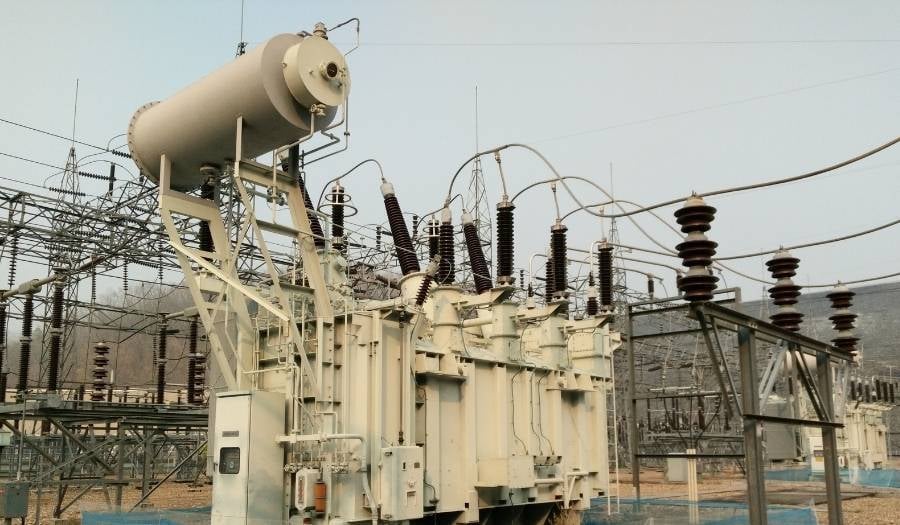
Conservator transformers use an external expansion tank to accommodate changes in oil volume as the transformer heats and cools. These systems are highly susceptible to moisture ingress through the “breathing” cycle.
- Dehydrating Breather Failure: As the oil cools and contracts, air is sucked into the conservator tank. This air is supposed to pass through a silica gel dehydrating breather to remove moisture. If the silica gel is saturated (turns pink/clear), if the breather is neglected, or if there is a physical crack in the breather housing, humid ambient air enters the conservator directly and dissolves into the oil.
- Ruptured Conservator Bladder/Diaphragm: Modern conservator systems often employ a flexible rubber bladder (airbag) inside the conservator to physically separate the ambient air from the insulating oil. If this bladder degrades, tears, or is punctured during maintenance, the dry barrier is lost, allowing humid breathing air to come into direct contact with the oil.
- Free-Breathing System Vulnerabilities: Older or smaller conservator designs may use a “free-breathing” mechanism without silica gel. These units continuously pull in raw, humid air during cooling cycles, rapidly contaminating the oil.
3. Moisture Ingress in Sealed Transformers
Sealed transformers are designed to be completely airtight, either featuring a flexible corrugated tank (for smaller distribution units) or a gas cushion above the oil to absorb thermal expansion. Because they do not “breathe” like conservator systems, moisture ingress occurs through different vulnerabilities:
- Thermal Cycling and Negative Pressure (Vacuum): Because sealed transformers do not open to the atmosphere, their internal pressure fluctuates wildly with the load. When the transformer cools down (e.g., during low load periods, shutdowns, or cold weather), a vacuum or negative pressure is created inside the tank. If there is even a microscopic leak in a weld, gasket, or bushing, this negative pressure acts as a pump, forcefully sucking in moist ambient air.
- Nitrogen Blanket System Failures: Larger sealed transformers often utilize a pressurized nitrogen gas blanket to prevent air contact. If the nitrogen cylinder runs empty, or if the pressure regulating system/valves fail, the positive pressure is lost. Without positive pressure, external moist air can easily leak past standard gaskets.
- Contaminated Gas Supplies: If the nitrogen gas bottle used to recharge the blanket system contains impurities or water vapor due to poor supplier quality control, moisture is introduced directly into the sealed head space during maintenance.
Summary of Differences
| Feature | Conservator Transformers | Sealed Transformers |
|---|---|---|
| Primary Ingress Pathway | Active breathing through the expansion tank. | Pressure differentials (vacuum) sucking air through micro-leaks. |
| Mechanical Vulnerabilities | Saturated silica gel, cracked breathers, or torn rubber bladders. | Failed nitrogen regulators, empty gas cylinders, and compromised gaskets under vacuum. |
| Internal Source | Degradation of cellulose insulation (same for both). | Degradation of cellulose insulation (same for both). |
Protect Your Transformers from Moisture Before It Becomes a Problem
|
|
 |
 |
%20(4).gif?width=600&height=600&name=Images%20(600%20x%20600%20px)%20(4).gif)
Moisture ingress is one of the leading causes of insulation deterioration in power transformers, yet it often goes unnoticed until it has already affected performance and reliability. Whether your transformer is sealed or conservator-type, understanding how moisture enters the system is the first step. The next is implementing the right monitoring and protection strategy.
Insulect supplies a range of transformer monitoring and protection solutions that help utilities, industrial facilities, and renewable energy operators minimise the impact of moisture and make more informed maintenance decisions. These include:
- Smart Breathers that continuously remove moisture from the air entering conservator transformers while providing real-time visibility into breather condition and performance.
- Dissolved Gas Analysis (DGA) Monitoring to detect early signs of insulation degradation and internal transformer faults that may be associated with moisture contamination.
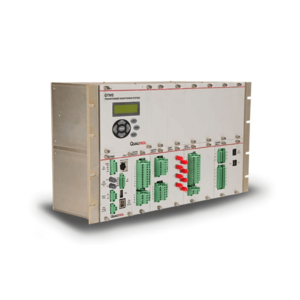
- Transformer Monitoring & Bushing Monitoring solutions that provide continuous insight into transformer health, helping maintenance teams identify developing issues before they become costly failures.
By combining moisture control with continuous condition monitoring, asset owners can extend transformer life, reduce unplanned outages, and support a more proactive condition-based maintenance strategy.
If you'd like to learn how these solutions can improve the reliability of your transformer fleet, contact the Insulect team to discuss the right monitoring and protection strategy for your application.