

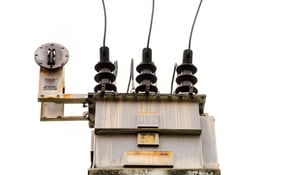
Oil leaks and contamination around aging transformer bushings are typically driven by a combination of material degradation, mechanical stress, environmental exposure, and internal pressure dynamics.
The primary causes can be broken down into several interconnected factors:
1. Degradation of Gaskets and Seals (The Leading Cause of Leaks)
- Aging Elastomers: Bushings rely heavily on rubber, cork-nitrile, or synthetic polymer gaskets and O-rings at mounting flanges, test taps, and cap joints. Over decades, these materials lose their elasticity, harden, dry out, and crack due to continuous exposure to heat, ultraviolet (UV) light, and atmospheric oxygen.
- Loss of Bolt Torque: Continuous operational vibrations and thermal cycling cause the flange bolts securing the bushings to loosen over time, breaking the tight compression seal required to keep oil in and moisture out.
2. Thermal and Mechanical Stress
- Load and Temperature Cycling: Transformers experience daily and seasonal load fluctuations, causing the internal oil and components to heat up and expand, then cool down and contract. This constant “breathing” and physical shifting puts cyclical stress on porcelain bodies, resin interfaces, and metal flanges, eventually creating micro-fissures or seal gaps.
- Vibration: Mechanical vibrations from the transformer core and windings are transmitted up through the bushing structure, gradually fatiguing metal parts and loosening hardware.
3. Material Aging and Housing Cracks
- Porcelain and Composite Degradation: Older porcelain housings can develop microscopic hairline cracks due to differential thermal expansion between the metal conductor, the core, and the ceramic shell, or from physical impacts.
- Internal Insulation Breakdown: The oil-impregnated paper (OIP) or resin-bonded paper (RBP) inside the bushing degrades over decades of electrical and thermal stress. As the insulation breaks down, it can generate localized internal discharges (partial discharge) that produce gases, increase internal pressure, and compromise structural integrity.
4. Pressure Imbalances and Breather Issues
- If a transformer’s conservator system or pressure-relief mechanisms (such as a blocked silica gel breather) fail to properly manage internal pressure variations, excessive pressure builds up inside the tank. This forced pressure actively pushes transformer oil past weakened bushing seals and gaskets.
5. External Contamination (Leading to Leak-Promoting Tracking)
- Pollution Buildup: Bushings are exposed to the elements. Over time, dust, industrial fallout, salt spray (in coastal areas), and agricultural chemicals accumulate on the external bushing surface.
- Wet Pollution / Dry Band Arcing: When this accumulated grime is moistened by high humidity, dew, or light rain, it forms a conductive layer across the insulator. This causes surface leakage currents, leading to localized heating (“dry band arcing”), localized degradation of the ceramic or composite glaze, and eventual tracking or flashovers that can crack the housing and cause oil to escape.
Consequences
When a bushing begins to leak oil, it creates a dangerous feedback loop:
- Escaping oil lowers the internal fluid/insulation levels of the bushing or transformer.
- Compromised seals allow moisture and atmospheric oxygen to ingress into the bushing.
- Moisture severely degrades the dielectric strength of the internal insulation, multiplying the risk of catastrophic electrical failure, flashover, or explosion.
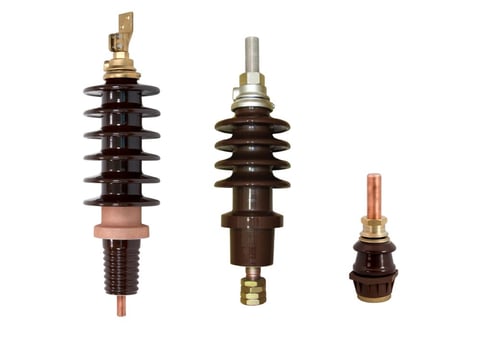
Reliable Bushing Solutions for Aging Transformers
If aging or damaged bushings are affecting transformer reliability, the right replacement can help reduce the risk of leaks, contamination, and electrical failure. Insulect supplies a comprehensive range of COMEM bushings, designed to deliver reliable electrical performance, mechanical strength, and long-term durability across a wide range of transformer and power equipment applications. Contact Insulect to discuss the right bushing solution for your transformer.