

Transformer monitoring has come a long way. Most utilities now have some form of online Dissolved Gas Analysis (DGA) in place. On paper, that sounds like a solved problem.
But in reality, many engineers still face the same question:
“We’re getting the data… but can we actually use it?”
The shift that’s happening
DGA used to be about spot checks: take an oil sample, send it to a lab, wait for results.
Now it’s continuous. Real-time. Always on.
That’s progress, but it also changes expectations.
Today, it’s not enough to just detect gases. The real need is to understand what those gases mean, quickly and confidently.
Where things start to fall short
Many products in the market do a decent job at detection, but that’s where the value often stops.
Common challenges utilities run into:
- “We have alarms but not answers.”
Threshold alerts tell you something changed, not what or why. - Limited gas visibility
Without a full gas picture, fault interpretation becomes guesswork. - Too much noise, not enough clarity
More data doesn’t always mean better decisions. - Difficult trade-offs
Either deploy basic monitoring everywhere, or deep diagnostics on only a few assets.
So, teams end up stuck in the middle, reacting instead of predicting.
What’s actually needed now
The industry is moving toward something more practical:
- Clear fault identification, not just alerts
- Data that fits existing engineering methods
- Monitoring that scales across a fleet
- Confidence to act early, not late
In short: less guessing, more knowing
Where a different approach makes a difference
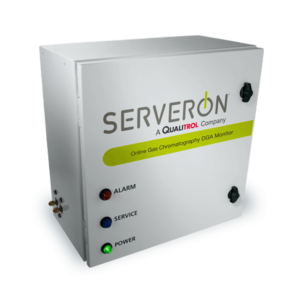
This is where Insulect’s Qualitrol DGA monitoring stands apart.
Instead of just tracking gas levels, it focuses on making the data usable:
- Full gas insight, not partial signals
- Accurate measurement aligned with lab methods
- Support for standard interpretation techniques engineers already trust
- Flexible deployment from broad screening to deep diagnostics
The result?
You don’t just get notified that something is wrong, you understand what’s happening inside the transformer.
Turn Monitoring Data into Actionable Insights with Insulect
Because at the end of the day, monitoring isn’t the goal.
Better decisions are.
And the difference between the two often comes down to this:
Are you collecting data… or actually gaining insight?
Contact us to find out how we can help you turn monitoring into meaningful insight.