

.jpg?width=300&name=old%20transformer%20(6).jpg)
Transformer refurbishment projects frequently require complete bushing replacements due to a combination of aging mechanisms, safety risks, lifecycle management strategies, and technological advancements. Because bushings are subjected to extreme electrical, thermal, mechanical, and environmental stresses, they are statistically among the most vulnerable components of a power transformer.
The primary reasons for replacing rather than repairing bushings during a major transformer overhaul include:
1. High Risk of Catastrophic Failure
Bushings operate under severe electrical field stress. When an internal defect occurs, such as the degradation of the condenser core insulation or moisture ingress, it can lead to a rapid dielectric breakdown. Because older oil-impregnated paper (OIP) bushings with porcelain housings often fail violently and explosively, asset owners prefer proactive replacement to prevent catastrophic tank ruptures, major fires, and collateral damage to the rest of the transformer.
2. Insulation Degradation and Moisture Ingress
Over decades of operation, thermal cycling and load changes cause gaskets, seals, and the insulating materials inside bushings to degrade.
- Oil Leaks: Loss of oil compromise the internal insulation and creates severe environmental and fire hazards.
- Elevated Power Factor: Diagnostic testing during a refurbishment often reveals an elevated dissipation factor or increased capacitance, indicating moisture ingress or partial discharge activity inside the core. Once the internal paper or oil insulation is compromised, it cannot be reliably restored in the field, necessitating a full replacement.
3. Safety, Environmental, and Regulatory Pressures (PCB Concerns)
Many aging transformer fleets still utilize vintage bushings that may contain Polychlorinated Biphenyls (PCBs) in their oil or insulating compounds. Strict environmental regulations governing the phase-out and disposal of PCBs mean that keeping legacy oil-filled bushings poses a regulatory and environmental liability.
4. Lifecycle Synchronization and “As-Good-As-New” Goals
A major transformer refurbishment (which involves re-gasketing, oil processing, core/winding inspection, and control upgrades) is designed to extend the asset’s life by 15 to 30 years. Leaving old, mid-life, or degraded bushings on a newly refurbished transformer introduces an unnecessary single point of failure. Replacing them ensures that the reliability of the bushings matches the newly extended lifespan of the rest of the transformer.
5. Technological Obsolescence and Upgrades (Dry-Type Technology)
Refurbishment projects offer a prime opportunity to upgrade substation safety and resilience. Many utilities systematically replace legacy porcelain/oil-filled bushings with modern Resin-Impregnated Paper (RIP) or Resin-Impregnated Synthetic (RIS) dry-type silicone rubber-housed bushings. These modern alternatives offer significant advantages:
- They are explosion-resistant and fire-retardant (contain no free oil).
- They are immune to oil leaks.
- They provide superior seismic performance, reducing the risk of cracking during earthquakes.
6. Logistical and Economic Efficiency
Replacing bushings while the transformer is already unenergized, decoupled from busbars, and undergoing major overhaul work is logistically efficient. Attempting to replace a failed bushing later requires unplanned outages, specialized mobile crane deployment, and emergency labor—making it far more cost-effective to swap out all critical bushings proactively while the asset is already in the workshop or station outage state.
In short, bushing replacement is usually a life-extension and risk-management decision. It is not always mandatory, healthy bushings can sometimes be retained after suitable inspection and electrical testing, but complete replacement is common when the bushings are old, suspect, obsolete, leaking, or being asked to support another full service life.
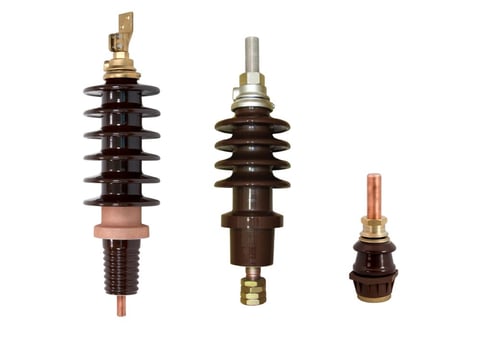
Reliable Bushing Solutions for Transformer Refurbishment
When refurbishing an aging transformer, replacing the bushings can be an important step in restoring reliable and long-term performance. Insulect supplies a comprehensive range of COMEM bushings, designed to deliver reliable electrical performance, mechanical strength, and long-term durability across a wide range of transformer and power equipment applications. Contact Insulect to discuss the right bushing solution for your transformer refurbishment project.