

In many transformer projects, bushings are considered important components, but they often receive less attention until a problem arises. In reality, bushings are among the most critical insulation interfaces on a transformer. They provide the safe passage of current through grounded barriers, and when their condition declines, the consequences can range from reduced reliability to catastrophic failure.
For utilities, industrial operators, EPCs, and service providers, understanding when and why bushings should be replaced is essential to protecting transformer performance, extending asset life, and reducing unplanned outages.
The role of a transformer bushing
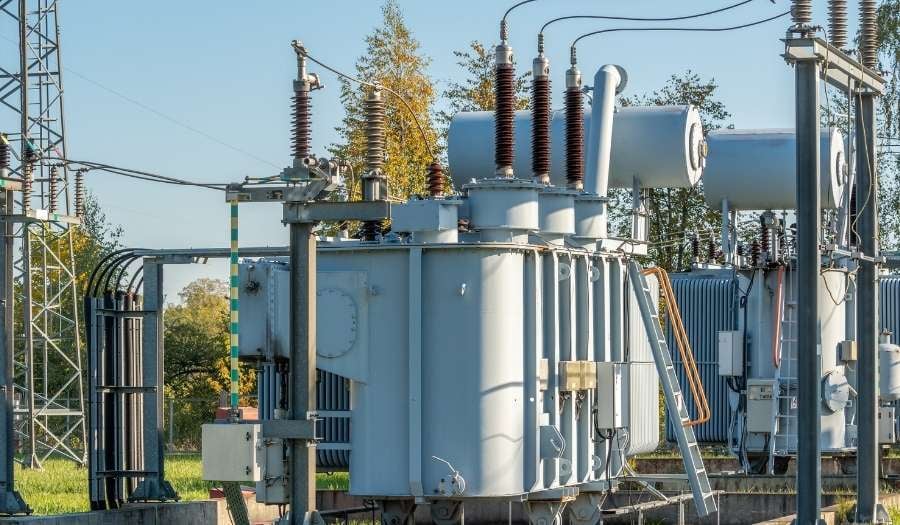
A transformer bushing is designed to carry electrical current through an earthed barrier, typically from inside the transformer tank to the external network, while maintaining insulation integrity. Because bushings operate under electrical, thermal, mechanical, and environmental stress, they are exposed to a combination of aging factors throughout their service life.
Although bushings may appear passive, they are highly engineered components. Their condition directly affects transformer safety, network reliability, and maintenance planning. A failed bushing can damage not only the transformer itself, but also surrounding switchyard equipment and project schedules.
Why bushings become a replacement priority
Organizations generally purchase replacement bushings when clear operational or diagnostic triggers emerge. These triggers are often signs that asset risk is increasing faster than acceptable reliability thresholds.
1. Aging bushings approaching end of life
As fleets mature, many operators are managing transformers that have been in service for decades. Over time, insulation systems deteriorate due to thermal cycling, moisture ingress, contamination, and long-term electrical stress. Even when a bushing is still operational, age alone may justify closer monitoring or planned replacement, particularly where failure consequences are high.
For asset managers, aging bushings are not simply a maintenance issue; they are a risk management issue. Proactive replacement during a planned outage is almost always preferable to reacting after an in-service failure.
2. Oil leaks from existing bushings
Oil leakage is one of the most visible warning signs that a bushing requires attention. Leaks may indicate seal degradation, gasket issues, or more serious internal problems. Left unresolved, oil loss can compromise insulation performance, allow moisture ingress, and accelerate deterioration.
In practice, even a minor leak can become a major concern if the transformer is operating in a critical part of the network. Early intervention can prevent a small maintenance event from becoming an emergency replacement.
3. Partial discharge detected during testing
Partial discharge is a key indicator that insulation defects may be developing or already present. When PD is detected during diagnostic testing, operators need to assess whether the issue is localized, stable, or likely to progress.
Bushings with confirmed PD activity often move quickly from “monitor” to “replace” status, especially in high-voltage applications where insulation failure risk carries severe operational consequences. PD findings are particularly important in condition-based maintenance programs because they may reveal defects before visible symptoms appear.
4. High dielectric losses
Elevated dielectric loss measurements, whether expressed as power factor or tan δ, can signal insulation aging, contamination, or moisture-related degradation. Trending these values over time helps maintenance teams identify bushings that are no longer performing within expected parameters.
A single abnormal reading may trigger further investigation, but persistent or rising dielectric losses often support a business case for replacement. For owners of critical assets, the cost of replacing a suspect bushing is usually far lower than the cost of an unplanned transformer outage.
5. Transformer refurbishment projects
During refurbishment, bushings are frequently assessed as part of the transformer’s overall remaining-life strategy. If the main tank, cooling system, tap changer, or insulation system is being overhauled, it often makes technical and commercial sense to review bushing condition at the same time.
Installing new bushings during refurbishment can improve reliability, simplify future maintenance, and align the transformer with updated performance expectations.
6. Transformer upgrades or uprating
When transformers are upgraded or uprated, bushings may need to be replaced to match revised electrical or thermal requirements. This is especially relevant where higher load demands, changing network configurations, or new generation sources place different stresses on the asset.
In these cases, bushing selection is not only about fit and voltage class, it is about ensuring the transformer can safely perform in its new operating environment.
7. New substation construction
For new substations, bushings are part of the original equipment specification and procurement process. Buyers in these projects typically prioritize quality, standards compliance, lead time, and confidence in long-term support.
Because substation delivery schedules are tightly managed, bushing supply reliability can have a meaningful impact on project execution. Technical compatibility and dependable logistics are often just as important as component price.
8. Renewable energy expansion projects
Renewable energy developments are increasing demand for new and upgraded transformer infrastructure. Whether supporting wind, solar, battery storage, or grid connection works, these projects depend on transformers that can perform reliably under evolving load profiles and dispatch conditions.
That means bushings are no longer just routine transformer accessories, they are critical enablers in broader energy transition investments. Developers and asset owners want components that support reliability from day one, particularly in remote or hard-to-access sites.
When investigation leads to replacement
Failure investigations after outages
After a transformer outage or protection event, bushings are often a focal point of forensic assessment. Evidence of flashover, insulation deterioration, internal fault activity, or mechanical damage may point to the bushing as either the root cause or a contributing factor.
In these situations, replacement decisions are made not only to restore service, but also to reduce the risk of recurrence across similar assets in the fleet.
Preventive replacement programs
Mature asset owners increasingly adopt preventive replacement strategies for high-risk components. Rather than waiting for test results to cross alarm thresholds, they replace bushings based on age, condition trends, historical failure modes, duty profile, and criticality.
This approach is especially valuable where transformers serve essential infrastructure, large industrial loads, or constrained parts of the grid. Preventive replacement can reduce exposure to high-consequence failures and make outage planning more predictable.
Emergency replacement after a bushing failure
Sometimes the trigger is simple: the bushing has failed and needs immediate replacement. In these cases, speed, technical accuracy, and availability matter most. Buyers need confidence that the replacement bushing will be correctly specified and supplied fast enough to support restoration timelines.
Emergency events also tend to reshape procurement behaviour. After a failure, many organizations review whether additional bushings should be replaced proactively on sister units or similar assets.
What buyers typically look for in replacement bushings
When specifying bushings, technical buyers generally focus on more than voltage and current rating. They also consider:
- Compatibility with the transformer design
- Dimensional interchangeability
- Insulation technology and performance
- Testing and quality assurance
- Standards compliance
- Suitability for the operating environment
- Reliability track record
- Lead time and support availability
For many owners, the ideal solution is not just a compliant component, it is a bushing backed by strong technical support and a clear understanding of transformer application requirements.
A smarter way to think about bushing replacement
The most effective organizations do not wait for a visible failure before reviewing bushing condition. They combine diagnostic results, asset age, operating context, and project planning to make timely replacement decisions. This reduces emergency work, supports transformer life-extension strategies, and improves overall network resilience.
Bushings may represent only one part of a transformer system, but they can have an outsized effect on asset reliability. That is why they deserve a more strategic place in maintenance planning, refurbishment programs, and new infrastructure delivery.
If your team is managing aging bushings, investigating oil leaks or partial discharge, planning a transformer refurbishment, or sourcing bushings for new infrastructure and renewable energy projects, it pays to speak with specialists who understand both the component and the application.
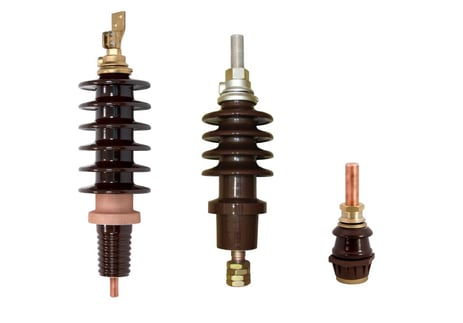
Insulect supplies COMEM bushings to the Australian and New Zealand market and can help you identify the right solution for replacement, upgrade, or new-project requirements. Get in touch with us to discuss your transformer bushing needs and plan with greater confidence.