

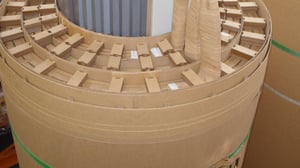
Electrical insulation materials play a critical role in the safe and reliable operation of electrical equipment. From power transformers and switchboards to industrial machinery and electrical assemblies, these materials help control the flow of electricity, prevent unwanted current paths and support equipment performance under demanding operating conditions.
However, not all insulation materials are suitable for every application. Electrical, thermal and mechanical requirements, together with environmental conditions, all influence which material is appropriate for a particular piece of equipment.
Understanding the properties of electrical insulation materials is an important first step in making informed engineering and material selection decisions.
What Is Electrical Insulation?
Electrical insulation is the use of materials with high electrical resistance to restrict the flow of electric current along unintended paths. These materials help separate conductors, maintain electrical isolation and reduce the risk of short circuits, electrical faults and equipment damage.
Insulation materials can take different forms, including sheets, boards, paper, tubes, laminates and other components incorporated into electrical equipment. Their design and properties vary according to the application and the electrical, mechanical and environmental stresses they must withstand.
In practice, insulation is not simply a barrier between conductors. It is part of an electrical system's overall design, contributing to safety, operational reliability and long-term performance.
Why Do Electrical Insulation Materials Matter?
Selecting suitable insulation materials helps electrical equipment perform reliably throughout its intended service life. Several important functions make insulation essential across industrial and electrical applications.
1. Electrical isolation
Insulation helps keep conductive parts electrically separated where required by the equipment design. This reduces the risk of unintended current paths and electrical faults.
2. Thermal performance
Electrical equipment can generate heat during normal operation. Insulation materials must be suitable for the temperatures they experience, including any expected temperature variations over time. Excessive heat can accelerate material degradation and affect insulation performance.
3. Mechanical support
Some insulation components also help support conductors, separate electrical components or maintain clearances within equipment. Depending on the application, materials may need to withstand mechanical loads, vibration or other physical stresses.
4. Environmental resistance
Moisture, dust, chemicals and other environmental conditions can affect insulation materials. Selecting a material that is compatible with its operating environment helps reduce the risk of premature deterioration.
5. Equipment reliability and service life
Insulation performance can influence the reliability of the wider electrical system. Choosing materials that meet the application's requirements helps manage the risk of insulation failure, unplanned maintenance and equipment downtime.
Common Types of Electrical Insulation Materials
Electrical insulation materials vary in composition and performance. The following material groups are used across different electrical and industrial applications, depending on their properties and suitability.
Cellulose-based materials
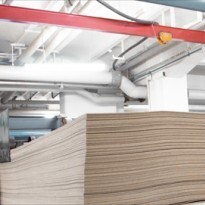 Cellulose insulation materials include pressboard and presspaper. These materials are commonly associated with transformer insulation systems, where they can help provide electrical separation and structural arrangements within the equipment.
Their suitability depends on the specific material grade, design requirements and operating conditions.
Rigid insulating boards
Rigid insulating boards are used in selected electrical assemblies and equipment where electrical insulation and dimensional stability are required. The appropriate board depends on the required electrical, thermal and mechanical properties.
Composite and laminated materials
Composite insulation materials combine different material constituents to achieve particular performance characteristics. Depending on their composition and grade, they may offer a combination of electrical insulation, mechanical strength and resistance to environmental conditions.
Examples include glass-reinforced and epoxy-based laminates, polyester-glass materials and other engineered insulating composites.
Tubes, rings and fabricated components
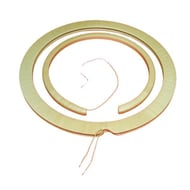 Insulation can also be supplied in component forms such as tubes, rings and other shaped parts. These formats allow materials to be incorporated into equipment designs where specific geometries or assembly requirements apply.
The material and component design should be selected according to the intended application rather than shape alone.
What Factors Influence Material Selection?
Choosing an electrical insulation material requires more than identifying a material with suitable electrical properties. Engineers need to consider how the material will perform within the complete equipment design.
Electrical requirements
Consider the operating voltage, required dielectric performance, electrical clearances and the conditions the insulation will experience. The material must be suitable for the equipment's electrical design and applicable requirements.
Operating temperature
Evaluate normal operating temperatures, expected temperature fluctuations and potential thermal stresses. The material's temperature capability should be appropriate for the intended application.
Mechanical properties
Depending on its role, insulation may need to resist compression, bending, vibration or other mechanical stresses. Dimensional stability and the physical demands of installation may also influence the choice.
Environmental conditions
Assess exposure to moisture, chemicals, contamination and other environmental factors. Compatibility with the operating environment is important when evaluating material suitability and expected service life.
Material form and equipment design
The required thickness, dimensions, geometry and method of installation can affect material selection. A material that performs well in one component or configuration may not be suitable for another.
Applicable standards and specifications
Material selection should account for relevant standards, equipment specifications and project requirements. Technical datasheets and supporting documentation should be reviewed to confirm that a particular grade meets the intended application requirements.
How Do You Choose the Right Insulation Material?
A practical starting point is to define the operating conditions and requirements before comparing individual materials.
- Define the application. Identify the equipment, the function of the insulation and its position within the assembly.
- Establish performance requirements. Document electrical, thermal and mechanical requirements, along with relevant environmental conditions.
- Compare suitable material grades. Review technical datasheets and verify that the material properties align with the application's needs.
- Check design and compliance requirements. Confirm dimensions, installation considerations, applicable standards and equipment specifications.
- Seek technical input where needed. Consult the equipment designer, engineering team or material supplier if requirements are unclear or the application is particularly demanding.
Material selection should always be based on the complete application. No single insulation material is necessarily the best choice for every electrical or industrial environment.
Explore Electrical Insulation Materials with Insulect
Insulect supplies a range of electrical insulation materials and components for industrial and electrical applications. The range includes cellulose pressboard and presspaper, insulating boards, tubes, rings, composite materials and other specialist insulation products.
If you are evaluating insulation materials for an electrical equipment or industrial project, understanding the application's electrical, thermal, mechanical and environmental requirements can help guide the selection process.
Explore Insulect's industrial product range to learn more about available materials and components, or contact Insulect to discuss your application requirements.