

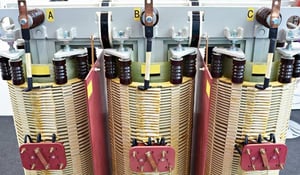
Power transformers are essential to electricity transmission and distribution, helping transfer electrical energy between voltage levels across the power network. To operate safely and reliably, they depend on an insulation system designed to withstand electrical stress, operating temperatures and mechanical forces throughout their service life.
Transformer insulation does more than separate conductive components. It helps prevent electrical breakdown, supports the internal arrangement of transformer windings and contributes to the long-term reliability of the asset.
Understanding how transformer insulation works, what affects its performance and how suitable materials are selected is important for transformer manufacturers, engineers and asset managers.
What Is Transformer Insulation?
Transformer insulation is the system of materials used to electrically separate conductive components and prevent unwanted current paths within a transformer.
Transformer windings carry electrical current and operate at different electrical potentials. Insulation is required between winding turns, between windings, and between windings and grounded components, according to the transformer design.
The insulation system generally includes two key elements in oil-filled power transformers:
- Solid insulation: Materials such as cellulose-based pressboard and presspaper that provide electrical separation and, in some applications, mechanical support.
- Liquid insulation: Insulating liquids that provide dielectric separation and help transfer heat away from the windings and other internal components.
These elements work together as part of the transformer's overall insulation system. Their performance depends on the materials selected, the equipment design and the operating conditions.
Other transformer designs may use different insulation arrangements, so material requirements must always be considered in the context of the specific transformer.
Why Is Insulation Important in Power Transformers?
Transformer insulation performs several important functions that contribute to safe operation and equipment reliability.
1. Preventing electrical breakdown
Transformer windings operate at different voltages, making electrical separation essential. Insulation helps withstand the electric fields that develop between conductors and other components.
If the insulation cannot withstand the electrical stress placed on it, dielectric breakdown may occur, potentially leading to an internal fault and significant equipment damage.
The insulation system must therefore be designed to meet the transformer's electrical requirements under its intended operating conditions.
2. Supporting transformer construction
Solid insulation materials can serve both electrical and structural purposes within a transformer.
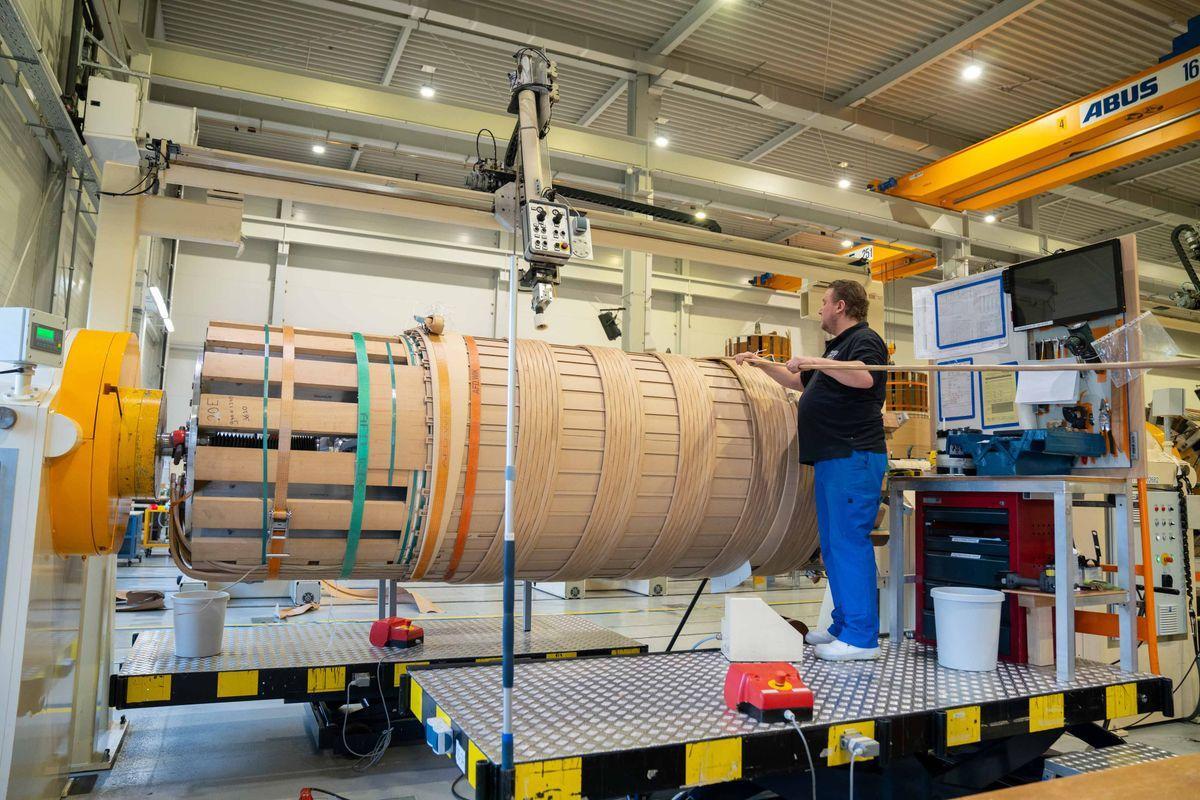
Depending on the design, pressboard components may be used as barriers, spacers or other parts of the internal insulation arrangement. These components help maintain the intended separation between conductive parts and support the designed geometry of the assembly.
Their dimensions, mechanical properties and positioning must be appropriate for the specific transformer design.
3. Managing heat and thermal stress
Transformers generate heat during operation, particularly within the windings and magnetic core. Insulating liquids in oil-filled transformers help transfer this heat to the cooling system, while solid insulation materials must withstand the temperatures they experience.
Excessive temperature can accelerate the ageing of solid insulation and reduce its remaining service life. Thermal performance is therefore an important consideration in transformer design, operation and asset management.
4. Supporting long-term asset reliability
Transformer insulation is exposed to electrical, thermal and sometimes mechanical stresses over many years of operation.
As insulation materials age, their properties can change. Moisture, elevated temperatures and other operating conditions can influence the rate of deterioration.
Maintaining appropriate operating conditions and monitoring relevant indicators can help asset managers assess transformer condition and identify potential concerns before they develop into more serious problems.
Common Solid Insulation Materials Used in Power Transformers
Cellulose-based materials are widely used in oil-filled transformer insulation systems. The specific material and component depend on the transformer's design and requirements.
Pressboard
Pressboard is a cellulose-based material available in different grades, thicknesses and forms. In suitable transformer applications, it can be used to create insulating barriers, spacers and other internal components.
Its selection depends on the required electrical and mechanical properties, dimensions, moisture condition and compatibility with the intended insulation system.
Presspaper
Presspaper is another cellulose-based insulation material used in suitable electrical applications. Depending on its form and grade, it can contribute to the electrical separation required within transformer winding arrangements.
The material must meet the relevant design requirements and be suitable for the conditions in which it will operate.
Insulation components and kits
Transformer insulation may also incorporate purpose-designed components and kits manufactured to suit particular equipment configurations.
Correct dimensions, material properties and component placement are important because the insulation system must function as a coordinated arrangement rather than as a collection of unrelated materials.
The choice between different materials and component forms should be based on the equipment specification and the requirements of the transformer manufacturer.
The Relationship Between Solid Insulation and Transformer Oil
In oil-filled power transformers, solid insulation and insulating liquid work together to provide the required electrical and thermal performance.
The insulating liquid fills spaces within the transformer, contributes to dielectric strength and transfers heat towards the cooling system. Solid insulation provides separation between components and helps maintain the intended internal arrangement.
However, the condition of one part of the insulation system can affect the performance of the wider system.
For example, moisture can affect the dielectric properties of insulating oil and cellulose-based solid insulation. Moisture distribution between the oil and paper-based materials changes with temperature, making moisture management an important aspect of transformer operation.
The insulating liquid and solid insulation should therefore be considered together when evaluating transformer condition, selecting materials and planning maintenance.
What Factors Should Be Considered When Selecting Transformer Insulation Materials?
Choosing suitable insulation materials requires consideration of the transformer's design, electrical requirements and expected operating conditions.
1. Electrical requirements
The material must be appropriate for the electrical stresses it will experience. Engineers need to consider the required dielectric performance, the material's position within the insulation system and the applicable equipment specifications.
Material selection should support the overall insulation design rather than rely on a single property in isolation.
2. Thermal performance
Operating temperature influences insulation ageing and long-term performance.
Consider the expected temperature range, thermal stresses and the material's specified capabilities. The complete transformer design, including its cooling arrangement and loading conditions, also influences the thermal environment in which the insulation operates.
3. Moisture management
Moisture is an important consideration for cellulose-based insulation and oil-filled transformer systems.
Material condition, handling, storage and installation practices can influence moisture levels before commissioning. During operation, moisture movement between solid insulation and oil can also affect the condition assessment.
Suitable material handling and moisture-control practices should form part of the broader transformer insulation strategy.
4. Mechanical properties and design requirements
Transformer insulation components may need to maintain their dimensions and position while exposed to mechanical forces associated with assembly, operation or fault conditions.
Engineers should consider the required mechanical properties, component geometry, tolerances and the role each component plays within the transformer.
5. Material compatibility
Materials must be suitable for the environment in which they will be used, including compatibility with the insulating liquid where applicable.
The selected material grade should meet the relevant equipment specifications and be supported by appropriate technical documentation.
6. Applicable standards and specifications
Transformer insulation materials should be selected in accordance with the relevant design requirements, material specifications and applicable standards.
Reviewing technical datasheets and consulting the transformer manufacturer or engineering team can help confirm that a material is suitable for the intended application.
How Does Insulation Condition Affect Transformer Reliability?
Insulation condition is an important consideration when assessing transformer health and remaining service life.
Over time, thermal and other operating stresses can contribute to insulation deterioration. Moisture and unsuitable operating conditions may further affect material performance.
For cellulose-based insulation, ageing can involve changes to the material's physical and chemical properties. These changes cannot always be assessed through a single measurement, so transformer condition assessments may draw on several sources of information.
Depending on the transformer and its monitoring arrangements, useful information may include:
- Dissolved gas analysis (DGA): Helps identify gases in transformer insulating liquid that may indicate developing electrical or thermal faults. Results require interpretation in context.
- Moisture assessment: Helps evaluate moisture conditions within the insulating system, taking into account temperature and the relationship between the oil and solid insulation.
- Temperature monitoring: Provides information about operating temperatures and thermal conditions.
- Electrical and condition assessments: May help identify insulation-related concerns when selected according to the asset, its design and the suspected failure mechanism.
These methods provide different types of information. No single monitoring technique can establish the complete condition of a transformer insulation system in every situation.
Combining relevant monitoring data with operating history, inspections and engineering assessment can support more informed maintenance and asset management decisions.
Supporting Transformer Reliability Through Informed Material Selection
Transformer insulation is a fundamental part of the asset's overall design. Its ability to provide electrical separation, withstand thermal and mechanical stresses, and maintain suitable performance over time contributes to reliable transformer operation.
For transformer manufacturers and engineers, selecting suitable insulation materials starts with understanding the equipment's requirements and evaluating the properties of the available materials against those requirements.
For asset owners and operators, understanding insulation condition and the factors that influence deterioration can help inform monitoring, maintenance and lifecycle planning.
Explore Insulation Materials with Insulect
Insulect supplies electrical insulation materials and components for industrial and electrical applications, including cellulose pressboard and presspaper.
If you are evaluating insulation materials for transformer-related applications, understanding the equipment design, electrical requirements, operating temperatures and moisture-management considerations can help guide material selection.
Explore Insulect's industrial product range to learn more about available materials and components, or contact Insulect to discuss your application requirements.