

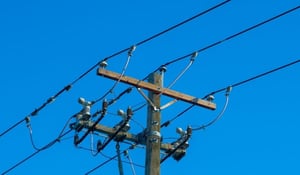
Electrical distribution networks are expected to deliver safe, reliable power while minimising downtime and maintenance costs. One of the key components that helps achieve this is the load break switch. Whether used in utility networks, renewable energy projects, industrial facilities or infrastructure developments, selecting the right type of load break switch can have a significant impact on system performance throughout its service life.
Two of the most common technologies available today are air insulated load break switches and gas insulated load break switches. Each offers distinct advantages depending on the application, operating environment and long-term asset strategy.
This article compares both technologies and explains how Insulect helps customers select, supply and support the most suitable solution for their projects.
What Is a Load Break Switch?
A load break switch is a medium-voltage switching device designed to safely make and break normal load currents. It allows sections of a distribution network to be isolated for maintenance, fault management and operational flexibility, improving network reliability and personnel safety.
Load break switches are commonly used in:
- Utility distribution networks
- Pole-mounted substations
- Ring Main Units (RMUs)
- Renewable energy installations
- Mining operations
- Industrial plants
- Commercial infrastructure
- Rail and transport networks
Air Insulated vs Gas Insulated Load Break Switches
Although both technologies perform the same fundamental function, they differ in insulation method, design and application.
| Feature | Air Insulated Load Break Switch | Gas Insulated Load Break Switch |
|---|---|---|
| Insulation Medium | Air | SF₆-free clean gas or traditional insulating gas (depending on design) |
| Installation | Outdoor and pole-mounted applications | Compact indoor switchgear and RMUs |
| Equipment Size | Larger physical footprint | Compact and space-saving |
| Environmental Exposure | Well suited to harsh outdoor conditions | Protected within sealed enclosures |
| Maintenance | Simple inspection and servicing | Very low maintenance sealed-for-life designs |
| Reliability | Proven technology with long service history | Excellent reliability with minimal environmental influence |
| Safety | Visible isolation available on many designs | Fully enclosed live parts improve operator safety |
| Typical Applications | Distribution feeders, overhead networks, substations | Compact substations, renewable projects, urban distribution |
.png?width=422&height=422&name=Untitled%20design%20(10).png)
Air Load Break Switches
Air insulated load break switches have been used successfully for decades throughout electrical distribution networks. Their simple construction, proven reliability and ease of maintenance make them a popular choice for outdoor applications.
Key advantages include:
- Proven long-term performance
- Excellent suitability for overhead distribution networks
- Straightforward maintenance and inspection
- Cost-effective installation
- High reliability in outdoor environments
- Easy visual confirmation of switch position
These switches are commonly installed on poles and substations where accessibility and visibility are important operational requirements.
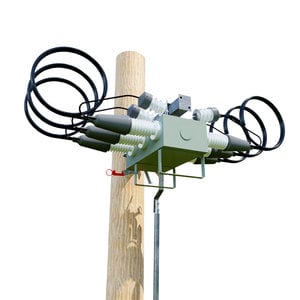
Gas Insulated Load Break Switches
Modern gas insulated load break switches are designed for applications where space, safety and reduced maintenance are priorities.
Many of today's designs utilise environmentally friendly insulating gases that significantly reduce environmental impact while maintaining excellent electrical performance.
Key advantages include:
- Compact footprint
- Sealed-for-life construction
- Very low maintenance requirements
- Enhanced operator safety
- Excellent performance in contaminated or humid environments
- High reliability over long service life
Gas insulated technology is particularly valuable in urban substations, renewable energy projects and industrial installations where equipment space is limited.
Which Technology Is Right for Your Project?
There is no universal answer. The ideal solution depends on several factors, including:
- Available installation space
- Indoor or outdoor application
- Environmental conditions
- Asset lifecycle expectations
- Maintenance strategy
- Budget considerations
- Utility standards and specifications
For example:
An electricity distributor expanding an overhead feeder may benefit from a robust air insulated load break switch designed for pole-mounted operation.
A battery energy storage system or solar farm with compact switchgear requirements may be better suited to a gas insulated solution that maximises space efficiency and minimises maintenance.
Selecting the appropriate technology requires consideration of the complete application rather than focusing solely on initial purchase cost.
Contact Insulect
Whether you are upgrading an ageing distribution network, building a renewable energy facility or designing a new substation, selecting the correct switching equipment is only one part of the process.
Reliable technical advice, product availability, responsive service and ongoing support are equally important to achieving successful project outcomes.
Insulect combines industry knowledge with a comprehensive portfolio of medium-voltage equipment to help customers make informed decisions with confidence.
If you are planning a new project, upgrading existing infrastructure or looking for expert guidance on medium-voltage switching solutions, the team at Insulect is ready to help. Contact us to discuss your application and discover how our technical expertise, quality products and responsive local support can help deliver a safer, more reliable and more efficient electrical network.