

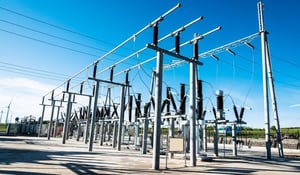
High voltage substation switchgear plays a critical role in controlling, protecting, and isolating electrical equipment within power systems. However, various factors can compromise its reliability, leading to disruptions and failures in the electrical network. These factors can broadly be categorized into several areas:
1. Insulation Degradation:
- Aging and Wear: Over time, insulation materials naturally degrade, becoming brittle and losing their dielectric strength due to continuous electrical, thermal, and mechanical stresses. This degradation can lead to partial discharges, which are high-frequency electrical discharges within insulation voids that cause progressive damage and eventually lead to full dielectric breakdown, flashovers, phase-to-phase or phase-to-ground faults, arcing, and short circuits.
- Moisture Ingress and Contamination: Water entering through leaks or condensation significantly lowers insulation resistance, while dust, chemicals, and salt deposits create conductive paths, accelerating insulation breakdown and increasing the risk of tracking faults. SF6 gas leakage in gas-insulated units can also reduce dielectric strength.
2. Overheating and Thermal Stress:
- Overloading and Loose Connections: Switchgear components can overheat due to continuous operation near or above their rated current capacity, overloading, or loose electrical connections, which increase resistance and generate excessive heat.
- Poor Thermal Management and Ventilation: Inadequate busbar design or poor ventilation can trap heat inside enclosures, accelerating insulation aging and increasing contact resistance at joints, which are precursors to reliability failures. Overheating can damage insulation, busbars, and contacts, increasing the risk of contact welding and arcing, and ultimately shortening the equipment’s lifespan.
3. Mechanical Wear and Tear:
- Frequent Switching Operations: Regular use subjects components like switches, circuit breakers, and relays to physical stresses, leading to wear and tear over time. This can result in increased contact resistance, poor lubrication, misalignment, or mechanical fatigue, potentially causing ineffective fault current interruption.
- Auxiliary Equipment Problems: Failures can also stem from mechanical issues with auxiliary equipment like isolators. Mechanical binding due to corrosion or lubricant failure can jam operating mechanisms.
4. Environmental Factors:
- Harsh Conditions: Exposure to humidity, dust, corrosive gases, and extreme temperatures can accelerate the wear and degradation of switchgear components. Inadequate ingress protection against these elements leads to faster insulation degradation and increased risk of faults.
5. Inadequate Maintenance and Operational Procedures:
- Poor Maintenance: Infrequent cleaning, irregular inspections, and neglecting warning signs contribute significantly to failures. This includes contamination of insulation, loose connections, and lack of lubrication.
- Incorrect Operation: Unrestricted repeated operations of oil circuit breakers (OCBs) can lead to breakdown of oil insulation or contact collapse. Hesitant operation of manually closed switches onto faulted circuits can also cause issues. Failure of routine and emergency operating procedures is also a contributing factor.
6. Design and Manufacturing Defects:
- Under-rated Switchgear: Switchgear that is under-rated for fault current can experience mechanical and thermal stress during fault events, progressively weakening connections, deforming busbars, and degrading insulation.
- Material Selection and Manufacturing Precision: Poor design, inferior materials, or flaws in manufacturing, such as lack of homogeneity or impurities in insulation, can lead to premature failures and unreliable operation.
- Protection System Integration: While protection systems are designed to enhance reliability, issues with relay coordination can lead to faults spreading into healthy sections of the grid, potentially causing complete system shutdowns if not cleared quickly.
When these issues arise, high voltage switchgear can fail to isolate faulty sections, interrupt fault currents effectively, or manage power flow as intended, leading to equipment damage, fire, extended outages, safety hazards for personnel, and overall compromise of network reliability.
Improve Substation Reliability with the Right Switchgear Partner
Network reliability starts with selecting switchgear that is designed to withstand the electrical, environmental, and operational demands of modern power systems. Insulect supplies high-quality substation switchgear solutions across Australia and New Zealand, helping utilities, industrial operators, and infrastructure owners reduce risk and improve network performance. Contact the Insulect team to discuss your project requirements and find the right switchgear solution for a safer, more reliable power network.