

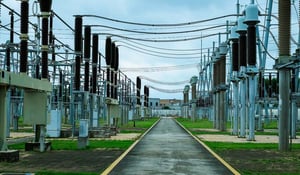
For applications requiring both metering and protection duties, combined instrument transformers (also known as combined current and voltage transformers or CT/VT combo units) are often considered the most suitable solution. These integrated units perform the functions of both current transformers (CTs) and voltage transformers (VTs) within a single housing.
The advantages of using combined instrument transformers for these dual duties include:
- Space Saving They occupy less space in substations compared to installing separate current and voltage transformers.
- Reduced Installation Effort Combining both functions into one unit simplifies installation and reduces wiring complexity.
- Cost Efficiency They can lead to savings in transportation and installation costs, and are considered a more sustainable solution as they use fewer resources than two individual units.
- High Accuracy Combined transformers are often designed with high accuracy classes suitable for both precise metering and reliable protection functions.
While combined units are effective, it’s important to understand the distinct requirements for metering and protection:
- Metering CTs are designed for high accuracy within the normal operating current range (e.g., up to 125% of the rated current). They are often designed to saturate at higher currents to protect connected metering devices from damage during fault conditions.
- Protection CTs are designed to maintain accuracy even under high fault currents (e.g., up to 20 times the rated current) to ensure that protective relays can accurately detect and respond to faults. They typically have larger cores and higher VA capacities to prevent saturation during severe fault conditions.
When utilizing instrument transformers for both purposes, especially with separate CTs and VTs, it is recommended to separate higher burden protection devices from metering windings to ensure the required accuracy for metering (e.g., class 0.2 or 0.3). The decision to use dual-purpose CTs versus separate ones also depends on factors like design, cost, space, and the instrument’s ability to withstand short-time over-currents.