

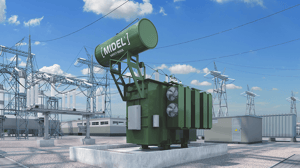
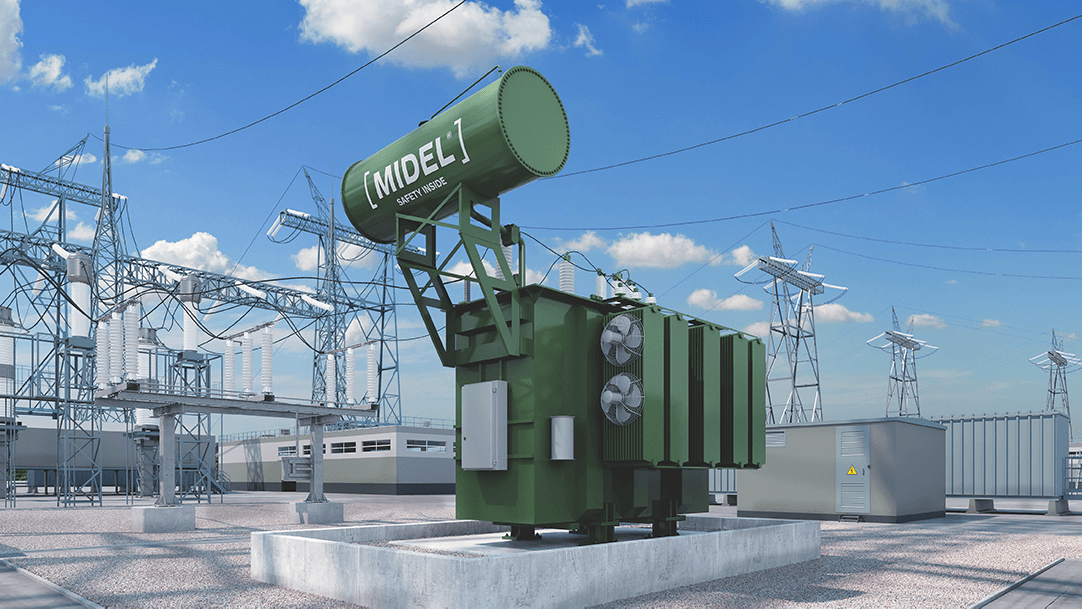
Power transformers are some of the most critical assets in modern energy networks. Typically operating above 33 kV, these units play a vital role in keeping electricity flowing across cities, industries, and entire regions. But with their importance comes a unique set of challenges—especially when it comes to the fluids used inside them.
Why Transformer Fluids Matter
Power transformers are not easy pieces of equipment to manage. They are large, expensive, and often installed in locations where reliability is non-negotiable. Moving them can be complex, and in many cases, the largest units must be drained before transport. This leaves a thin film of fluid inside, which can be exposed to air and become vulnerable to oxidation.
At the same time, transformers are often located in densely populated areas or environmentally sensitive zones. In these settings, two factors become critically important:
-
Fire safety, to protect people and infrastructure
-
Environmental protection, in case of leaks or failures
This is why the choice of transformer fluid is not just a technical decision—it’s a strategic one.
The Role of Ester Fluids
Ester fluids have emerged as a strong alternative to traditional mineral oils, offering a balance of performance, safety, and sustainability.
MIDEL ester fluids, including MIDEL 7131 (synthetic ester) and MIDEL eN 1204 (natural ester), are widely used in power transformer applications up to 400 kV.
What makes these fluids stand out is their ability to address multiple challenges at once:
-
They are readily biodegradable, reducing environmental impact if leakage occurs
-
They offer enhanced fire safety, with higher fire points than mineral oil
-
They can help reduce the need for extensive containment systems
-
They support reliable long-term transformer performance
These benefits are why many leading utilities and transformer manufacturers continue to adopt ester-based solutions.
Synthetic vs Natural Ester: What’s the Difference?
While both types of ester fluids offer clear advantages, they are suited to slightly different applications.
MIDEL 7131 (Synthetic Ester)
MIDEL 7131 is known for its excellent oxidation stability, making it highly versatile. It is suitable for both:
-
Sealed (non-breathing) transformers
-
Free-breathing transformers, where exposure to air is more common
This flexibility allows it to be used in a wide range of installations, both indoors and outdoors. Its performance has been proven in demanding environments, including a 433 kV urban transformer installation in London in 2016.
MIDEL eN 1204 (Natural Ester)
MIDEL eN 1204 is derived from renewable vegetable oils, offering a more sustainable option for operators focused on environmental performance.
Key features include:
-
Best suited for sealed (non-free-breathing) transformers
-
High biodegradability, supporting eco-sensitive installations
-
A low pour point of -31°C, making it effective in colder climates
Compared to soy-based alternatives, its cold-weather performance makes it particularly valuable in regions with lower ambient temperatures.
Retrofilling and High Voltage Applications
Ester fluids are not limited to new transformer designs—they can also be used to retrofill existing units, extending lifespan and improving safety performance.
MIDEL fluids have been approved by several leading OEMs for use at transmission voltage levels, including:
-
Projects operating at 400 kV
-
Mobile test equipment operating up to 500 kV
At these higher voltages, some design adjustments may be required due to differences in dielectric properties compared to mineral oil. However, ongoing developments in transformer engineering continue to expand the use of ester fluids into extra-high voltage (EHV) applications.
Supporting the Next Generation of Transformers
As energy systems evolve, so do the demands placed on transformers. Urbanisation, renewable integration, and stricter environmental regulations are all shaping how these assets are designed and operated.
Ester fluids like MIDEL 7131 and MIDEL eN 1204 are playing an important role in this transition. They allow operators to:
-
Improve safety in high-risk environments
-
Reduce environmental impact
-
Maintain reliable, long-term performance
-
Adapt to increasingly complex and demanding applications
A Practical Choice for Modern Power Networks
Choosing the right transformer fluid is about more than just insulation—it’s about managing risk, protecting assets, and supporting long-term network performance.
Natural and synthetic ester fluids provide a practical, proven solution for today’s power transformers, especially in applications where safety and sustainability cannot be compromised.
As utilities and manufacturers continue to push the limits of performance and efficiency, ester fluids are well positioned to support the next generation of high-voltage infrastructure.