

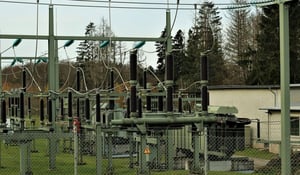
Online partial discharge (PD) monitoring systems prevent unexpected transformer outages by acting as a real-time, early warning system that detects insulation degradation before it leads to catastrophic failure. Unlike traditional offline testing, which only provides snapshots of health during planned outages, online PD monitoring continuously observes the transformer while it is energized.
Here is a detailed breakdown of how these systems function and how they prevent unexpected transformer outages.
1. Understanding the Threat: What is Partial Discharge?
Within a high-voltage transformer, the insulation system (composed of insulating oil, solid paper, and pressboard) is subjected to intense electrical, thermal, and mechanical stress.
- Partial Discharge (PD) is a localized electrical spark that only partially bridges the insulation between conductors.
- PD typically occurs in microscopic voids, cracks, or bubbles within the solid or liquid insulation.
- While a single PD event is minor, continuous PD acts like a slow cancer, eroding the surrounding insulation over time until a complete insulation breakdown occurs. This breakdown results in a massive short circuit, often causing catastrophic transformer failure, fires, explosions, and widespread blackouts.
2. The Power of “Online” Monitoring
Historically, utilities relied on offline testing, which required taking the transformer out of service. Offline testing is infrequent (usually done every few years), expensive, and only provides a “snapshot” in time.
Online monitoring operates continuously while the transformer is energized and under normal load. This is crucial because:
- PD activity is highly dynamic. It can be triggered or exacerbated by real-time operating conditions, such as peak electrical loads, high ambient temperatures, and transient voltage surges.
- Online systems capture these intermittent events that offline tests would completely miss.
3. How Online PD Monitoring Systems Prevent Outages
Online PD monitoring systems prevent unexpected outages through a continuous, multi-step process:
A. Continuous, Real-Time Detection
The system utilizes highly sensitive, non-intrusive sensors permanently installed on or inside the transformer to detect the physical side-effects of PD:
- High-Frequency Current Transformers (HFCT): Clamped around ground leads or bushing taps to detect high-frequency electrical pulses traveling to the ground.
- Ultra-High Frequency (UHF) Sensors: Inserted into the transformer tank (often via drain valves) to detect the electromagnetic waves emitted by PD sparks.
- Acoustic Emission (AE) Sensors: Mounted externally on the tank wall to detect the microscopic acoustic shockwaves (ultrasonic clicks) produced by PD.
B. Advanced Noise Filtering and Signal Classification
Substations are incredibly noisy electrical environments, filled with external electromagnetic interference (EMI), radio signals, and corona discharges from overhead lines. Online monitoring systems use advanced digital signal processing (DSP) and machine learning algorithms to filter out this background noise. By using Phase-Resolved Partial Discharge (PRPD) patterns, the system can classify the type of PD occurring—distinguishing harmless external corona from highly destructive internal winding or bushing discharge.
C. Early Warning of Insulation Degradation
PD is almost always the very first physical indicator of insulation distress. An online system detects these micro-discharges months or even years before a physical failure occurs. This gives asset managers a massive window of opportunity to plan, rather than react.
D. Precise Fault Localization
Many modern online systems use a combination of acoustic and UHF sensors (acoustic-electrical coordination) to pinpoint the exact physical location of the PD source inside the transformer tank.
- Knowing where the fault is (e.g., in a specific winding, the tap changer, or a bushing) prevents the need for blind, time-consuming inspections.
- It allows maintenance crews to prepare the exact tools, parts, and expertise needed before the transformer is even taken offline.
E. Trend Analysis and Severity Forecasting
The system doesn’t just look at whether PD is happening; it tracks the trend of key metrics, such as:
- Discharge magnitude (measured in picocoulombs, pC, or millivolts, mV).
- Pulse repetition rate (how many discharges occur per second).
- Energy of the discharges.
If a trendline shows a sudden, exponential increase in PD activity, it signals that the insulation is rapidly deteriorating and nearing a critical threshold of complete failure.
4. Shifting from Reactive to Proactive Operations
The ultimate way online PD monitoring prevents unexpected outages is by shifting the utility’s operational strategy from reactive to predictive:
- Transition to Condition-Based Maintenance (CBM): Instead of shutting down a transformer for calendar-based maintenance (which might be unnecessary and introduces risk), maintenance is performed only when the online data indicates a real problem.
- Scheduling Controlled Outages: If the system detects a severe, accelerating PD trend, operators do not have to wait for the transformer to explode. They can proactively schedule a controlled outage during off-peak hours (e.g., in the middle of the night), reroute the electrical load to other parts of the grid to prevent blackouts, and safely take the unit offline for targeted repairs.
- Extending Asset Lifespan: By catching and repairing minor localized defects (like replacing a degraded bushing or filtering contaminated oil) early, the utility prevents the entire, multi-million-dollar transformer from being destroyed, significantly extending its operational life.
Summary
Online PD monitoring systems act as a 24/7 stethoscope for power transformers. By continuously listening to the internal electrical, electromagnetic, and acoustic health of the transformer, filtering out external noise, and tracking deterioration trends, they provide utility operators with the foresight needed to intercept failures. This transforms potentially catastrophic, explosive outages into manageable, planned maintenance events.
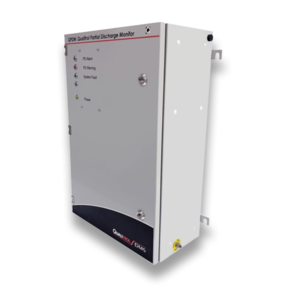
Take Control of Transformer Reliability with Insulect
Insulect supplies Qualitrol’s industry-proven PD monitoring systems, giving power asset owners clear insight into transformer health before minor issues escalate into major failures, supporting improved reliability, reduced risk, and more confident operational decision-making. To learn how real-time PD monitoring can strengthen your asset reliability strategy and reduce outage risk, get in touch with our team to discuss the right solution for your network.