

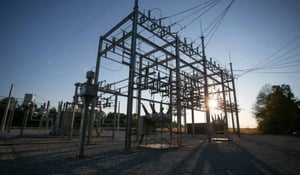
High-voltage circuit breakers (HVCBs) are foundational to grid reliability, acting as the primary protective devices that prevent equipment damage, isolate faults, and maintain stable power delivery. Their impact can be broken down into several key functions:
1. Fault Isolation and System Protection
- Rapid Interruption: HVCBs are designed to interrupt fault currents (such as short circuits or overloads) within milliseconds. This speed is critical because it limits the energy released during a fault, preventing catastrophic damage to transformers, generators, and transmission lines.
- Preventing Cascading Failures: By quickly isolating a faulty section of the grid, HVCBs prevent the problem from spreading to adjacent areas. Without this isolation, a single fault could trigger a cascade of failures, leading to widespread blackout.
2. Maintaining Grid Stability
- Voltage and Frequency Control: During disturbances, HVCBs help maintain the stability of voltage and frequency by removing unstable elements from the network. This ensures that the remaining grid continues to operate within safe parameters.
- Supporting Renewable Integration: As grids increasingly rely on wind and solar power, which can introduce volatility and variability, HVCBs are essential for managing sudden fluctuations and ensuring that green energy is transmitted stably to the grid.
3. Minimizing Downtime and Economic Loss
- Targeted Outages: Instead of shutting down the entire grid during a fault, HVCBs allow utilities to isolate only the affected section. This minimizes the number of customers without power and reduces the duration of outages.
- Protecting Critical Infrastructure: In sectors like data centers, hospitals, and industrial facilities, HVCBs are the “last line of defense” that prevents massive economic losses and safety hazards caused by service interruptions.
4. Enabling Modern Grid Technologies
- Smart Grid Integration: Modern HVCBs are often equipped with digital monitoring systems that enable predictive maintenance. This allows utilities to detect degradation before a failure occurs, significantly improving long-term reliability.
- SF6-Free and Eco-Friendly Solutions: The shift toward SF6-free gas insulated switchgear and vacuum breakers enhances reliability while reducing environmental impact, aligning with global decarbonization goals without compromising grid performance.
5. The Impact of Condition Deterioration
The reliability of the grid is directly tied to the physical condition of the HVCBs. If a breaker deteriorates:
- Failure to Trip: The most dangerous risk is a breaker failing to open when a fault occurs, which can lead to equipment destruction and extended blackouts.
- Uncommanded Tripping: Conversely, a breaker tripping without a fault can cause unnecessary outages and destabilize the grid.
- Quantifiable Impact: Studies show that the probability of an HVCB failing to trip due to condition deterioration can significantly degrade grid reliability indices, making regular maintenance and condition monitoring essential.
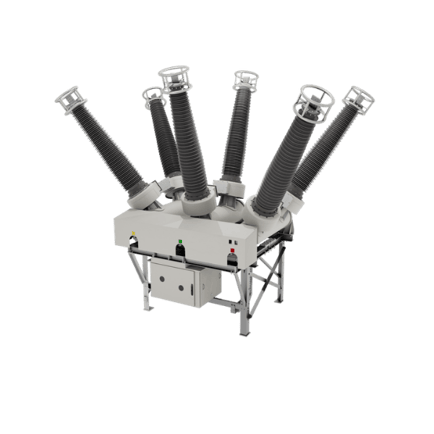
Improving Grid Reliability with High-voltage Circuit Breakers
High-voltage circuit breakers are the “intelligent guardians” of the grid. Their ability to detect, isolate, and interrupt faults rapidly ensures that the power system remains resilient against extreme weather, equipment failures, and the inherent volatility of renewable energy sources. Without them, the grid would be highly susceptible to cascading failures, leading to frequent, long-duration blackouts and severe economic consequences.
To learn how advanced protection systems and smarter switching technologies can enhance performance and resilience across modern power networks, get in touch with our team and discover how better fault interruption can support a safer, more reliable grid.