

| Company | Devonport Royal Dockyard |
| Location | Plymouth, UK |
| Timeline | 2003 |
| Project Overview | A 30-year-old, moisture-damaged transformer was successfully restored through retrofilling with MIDEL 7131, avoiding costly replacement and extending its service life. |
| Product | Midel 7131 Synthetic Ester Transformer Fluid |
Overview
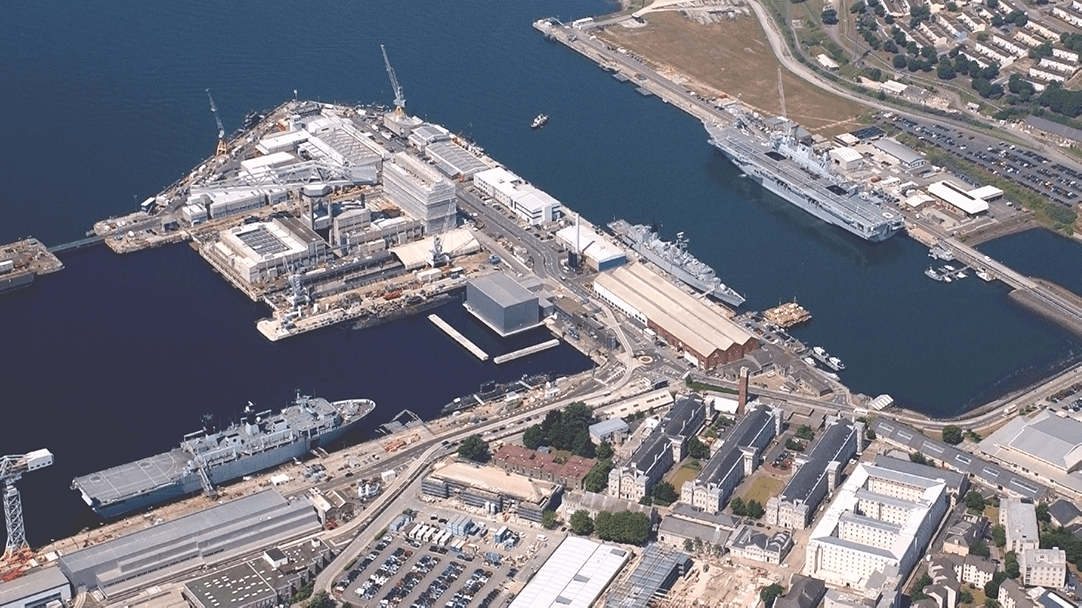
At Devonport Royal Dockyard, reliable power is essential to support critical operations. One of the site’s distribution transformers, rated at 800kVA and operating at 11kV, had been in service for over 30 years. Located indoors, this ageing unit had reached a point where its performance was seriously compromised.
Moisture had gradually built up inside the transformer over time—a common issue in older, free-breathing designs. Eventually, the condition of the unit became so poor that it had to be taken out of service, with replacement or full refurbishment being considered.
But instead of scrapping the transformer, the team explored whether there was a more practical and cost-effective solution.
Challenge
The transformer was in poor condition due to high moisture levels in both the oil and the insulation system:
-
Insulation resistance readings were extremely low at less than 20MΩ
-
The mineral oil contained 51ppm of water, far above acceptable limits
-
The breakdown voltage had dropped to 22kV, indicating weak insulating performance
These issues posed serious risks:
-
Reduced electrical reliability
-
Increased likelihood of failure
-
Safety concerns during operation
Removing, refurbishing, or replacing the transformer would have been expensive and disruptive, especially given its indoor location within a busy dockyard.

The Solution
After consulting with the MIDEL team from M&I Materials, the decision was made to retrofill the transformer with MIDEL 7131, rather than replace or fully refurbish it.
The goal was simple:
-
Use MIDEL 7131’s high moisture tolerance to draw water out of the insulation
-
Restore the transformer to a safe operating condition
-
Avoid the cost and complexity of removal
Before proceeding, tests were carried out to assess the condition of the transformer’s cellulose insulation using furan analysis. The results confirmed that the insulation was still in suitable condition, making retrofilling a viable option.
A controlled field trial was then carried out, with close monitoring throughout the process.
Benefits
The retrofill approach delivered several important advantages:
-
Cost Savings: Avoided expensive replacement or refurbishment
-
Minimal Disruption: No need to remove or relocate the transformer
-
Moisture Management: MIDEL 7131 absorbed moisture from the insulation system
-
Improved Insulation Performance: Electrical properties were restored over time
-
Proven Monitoring Process: Regular testing ensured safe and controlled improvements
Results
The results of the retrofill were both clear and impressive:
-
After 7 days, the MIDEL fluid had absorbed moisture, reaching around 350ppm, while still maintaining a high breakdown voltage
-
After 25 days, insulation resistance improved from <20MΩ to over 80MΩ
-
This demonstrated a significant reduction in moisture within the cellulose insulation
Most importantly, the transformer was successfully restored to operational condition without the need for replacement.
Ongoing monitoring confirmed that the MIDEL fluid remained in good condition, continuing to support reliable performance.