

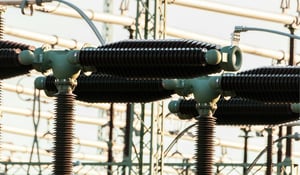
Choosing electrical insulation materials for large industrial plants is a highly complex engineering challenge. Unlike residential or commercial buildings, industrial facilities (such as petrochemical plants, mines, pulp and paper mills, and heavy manufacturing sites) subject electrical systems to extreme, unpredictable, and punishing environments.
The difficulty in selecting the right material lies in several competing factors:
1. The “TEAM” Multi-Stress Environment
In engineering, electrical insulation is evaluated using the TEAM framework:
- Thermal stress
- Electrical stress
- Ambient (environmental) stress
- Mechanical stress
The core difficulty is that insulators do not experience these stresses in isolation. They occur simultaneously. For example, high electrical voltage generates heat (thermal stress), which causes the material to expand (mechanical stress), while chemical fumes in the air (ambient stress) accelerate its degradation. A material that has excellent electrical properties might fail catastrophically when subjected to the mechanical vibrations of an industrial plant.
2. Harsh and Corrosive Ambient Environments
Industrial plants are notoriously dirty and chemically aggressive. Selecting insulation requires matching the material to specific environmental hazards:
- Chemical Exposure: In chemical processing or oil and gas plants, insulators are exposed to corrosive gases, acids, bases, solvents, and oils. Many standard polymer insulators (like PVC or standard rubbers) dissolve, swell, or become brittle when exposed to these substances.
- Conductive Dust and Pollution: In steel mills, coal plants, or cement factories, air is thick with conductive dust. If this dust settles on an insulator, it can create a conductive bridge (known as tracking), leading to short circuits or explosive flashovers.
- Moisture and Humidity: High humidity, wash-down procedures, or outdoor exposure can cause moisture absorption. Water significantly reduces an insulator’s dielectric strength, risking sudden failure.
3. Intense Mechanical Demands and Vibrations
Many people think of insulators as purely passive electrical barriers, but in large plants, they often double as structural, load-bearing components (e.g., busbar supports, transformer bushings, overhead line hangers).
- Vibration: Heavy machinery, massive pumps, and reciprocating compressors generate continuous structural vibration. Brittle materials like ceramics or glass can shatter under these conditions, while softer plastics might creep or deform over time.
- Thermal Expansion mismatch: Insulators are in direct contact with copper or aluminum conductors. When a plant cycles on and off, the metals and the insulation expand and contract at different rates. If the insulator cannot flex or match this movement, it will crack or tear away, leaving the conductor exposed.
4. Severe Electrical and Thermal Loading
Large industrial plants operate on medium-to-high voltage grids.
- Transient Surges: Industrial power grids frequently experience voltage spikes, lightning strikes, and switching surges. The insulation must have a high enough dielectric strength to survive these brief, extreme voltages without puncturing.
- Partial Discharge: At high voltages, tiny air pockets inside or on the surface of the insulation can experience localized electrical breakdowns (partial discharges). Over time, these micro-sparks slowly eat away at the insulation from the inside out, making internal material quality critical.
- Continuous High Temperatures: Large motors, generators, and furnaces run incredibly hot. Insulators must maintain their dielectric and physical integrity at elevated temperatures.
5. High Cost of Unplanned Downtime (The Longevity Expectation)
In a residential setting, replacing a degraded wire is a minor inconvenience. In a massive industrial plant, an insulation failure on a critical motor or transformer can halt production, costing millions of dollars per day in lost revenue.
- Life Expectancy: Industrial plants expect their capital equipment to last 20 to 40+ years.
- Predicting Aging: It is incredibly difficult for engineers to simulate how a new composite insulation material will degrade after 30 years of continuous heat, vibration, and chemical exposure. This forces engineers to navigate a difficult line between over-engineering (which is incredibly expensive) and under-engineering (which risks catastrophic failure).
Ultimately, choosing an electrical insulator in a large industrial plant is difficult because there is no “perfect” material.
- Ceramics and glass offer incredible thermal and chemical resistance but are brittle and heavy.
- Polymers and plastics are flexible and easy to install but can degrade rapidly under high heat, UV, and chemicals.
- Silicones and advanced composites offer the best of both worlds but come with highly restrictive price tags.
Partner with Insulect for Precision Manufacturing Solutions
Whether you require specialist non-metallic machining, custom electrical insulation components, or high-volume production support, Insulect offers the manufacturing capability and technical expertise to deliver results you can rely on. Our Brisbane and Melbourne facilities are designed to respond quickly to customer needs while maintaining the highest standards of quality and precision.
If you’re looking for a manufacturing partner that understands the demands of the electrical and industrial sectors, get in touch with Insulect today. Our team is ready to help you develop tailored solutions that improve performance, reduce downtime, and support the long-term reliability of your operations.