


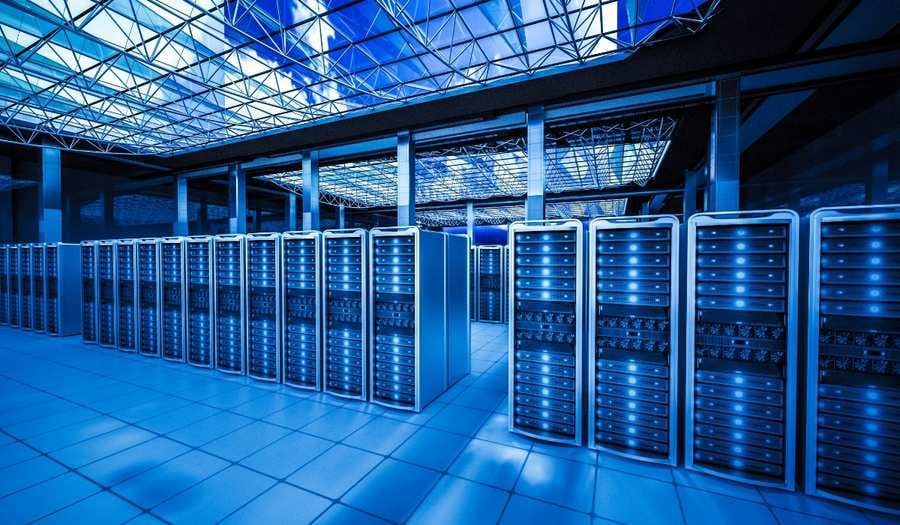
As the boom in artificial intelligence, cloud computing, and hyperscale colocation continues to sweep across Australia and New Zealand (ANZ), data centres are scaling at an unprecedented rate. Sydney, Melbourne, Brisbane, and Auckland are witnessing the rapid development of massive multi-megawatt facilities.
With great power comes great infrastructure. Feeding a modern data centre requires robust, high-voltage (HV) and medium-voltage (MV) grid connections. When transferring vast amounts of electricity underground to power energy intensive server halls, electrical engineers face a silent threat to system performance. Sheath currents and voltage surges can reduce cable capacity, compromise reliability, and increase the risk of equipment failure.
This is where Cable Link Boxes, incorporating Sheath Voltage Limiters (SVLs) where required, become an essential part of a reliable cable installation.
Why Single-Core Cable Systems Need Protection
Most medium and high voltage data centre installations utilise single-core power cables because of their superior current-carrying capability.
However, these cables create an inherent electrical challenge.
As alternating current flows through the conductor, it generates an electromagnetic field that induces voltage in the cable's metallic sheath. If the sheath is bonded at both ends, circulating currents are created, producing unwanted heat that:
- Reduces cable ampacity
- Increases power losses
- Accelerates insulation ageing
- May require larger, more expensive cables
To eliminate these circulating currents, engineers commonly adopt specialised cable bonding arrangements such as single-point bonding or cross-bonding.
While these methods significantly improve cable performance, they also leave sections of the cable sheath electrically isolated, allowing induced voltages to build up.
Under normal operating conditions these voltages remain manageable. During switching operations, network faults or lightning events, however, transient voltages can increase dramatically, placing the cable sheath and outer jacket at risk of insulation failure.
Without adequate protection, these overvoltages can result in sheath damage, moisture ingress, insulation deterioration and eventually serious cable faults.
The Role of Cable Link Boxes
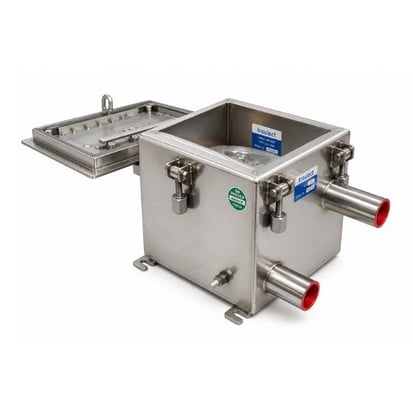
Cable Link Boxes provide the central connection point for cable sheath bonding systems while housing the protective components that keep the cable network operating safely.
Depending on the bonding arrangement, a Link Box can:
- Connect and manage cable sheath bonding circuits
- Facilitate single-point or cross-bonding configurations
- Provide convenient locations for testing and maintenance
- House integrated Sheath Voltage Limiters (SVLs)
- Protect electrical connections from moisture, dust and environmental exposure
Rather than being simply an enclosure, the Link Box forms a critical part of the cable protection system, ensuring both electrical performance and long-term reliability.
How Integrated SVLs Protect Cable Systems
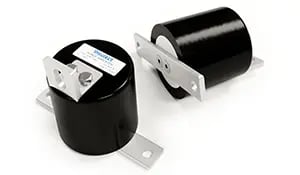
Within the Cable Link Box, Sheath Voltage Limiters provide protection against transient overvoltages.
SVLs use zinc oxide (ZnO) varistor technology that behaves differently depending on the electrical conditions.
During normal operation, the SVL presents very high resistance, allowing the cable bonding system to operate without creating circulating currents.
If a transient overvoltage occurs due to:
- Lightning strikes
- Utility network disturbances
- Transformer energisation
- Generator switching
- Fault conditions
the SVL instantly changes to a low-resistance state, safely diverting surge energy to earth before damaging the cable sheath.
Once the transient has passed, the SVL automatically returns to its normal high-resistance state.
This rapid response helps preserve cable integrity without affecting normal system operation.
Why Cable Link Boxes Matter in Data Centres
1. Improve Cable Performance
Proper sheath bonding significantly reduces circulating currents and associated heating, allowing cables to operate more efficiently and increasing their effective current-carrying capacity.
For high-density data centres where every megawatt counts, this improved efficiency can deliver both operational and capital cost benefits.
2. Protect Against Switching Surges
Large transformers, standby generators and frequent switching operations generate significant transient voltages throughout a data centre electrical network.
Cable Link Boxes with integrated SVLs help prevent these surges from damaging cable insulation, reducing the likelihood of premature cable failures.
3. Improve Personnel Safety
Transient voltages on isolated cable sheaths can create dangerous touch voltages around cable terminations and bonding points.
Integrated SVLs help limit these voltages to safer levels, improving protection for maintenance personnel working on or around HV cable installations.
4. Reduce the Risk of Unplanned Downtime
Cable failures rarely occur without warning.
A damaged cable sheath often allows moisture to enter the cable over time, gradually degrading insulation until a major fault eventually occurs.
Because this deterioration may remain hidden for months or even years, preventing the initial damage is far more cost-effective than replacing failed cables or managing unexpected outages.
Properly designed Cable Link Box systems provide an important layer of protection that supports long-term network reliability.
Best Practices for Data Centre Cable Infrastructure
To maximise cable system performance and reliability, data centre designers should consider several key practices:
- Specify cable bonding arrangements early during the design phase.
- Ensure Cable Link Boxes are correctly matched to the selected bonding method.
- Include appropriately rated integrated SVLs where transient overvoltages are expected.
- Install robust, weather-resistant Link Boxes suitable for the operating environment.
- Include Link Boxes and SVLs within routine preventative maintenance and testing programs.
Taking these steps helps protect critical power infrastructure throughout the operational life of the facility.
Reliable Cable Systems Start Here
As demand for high-performance data centres continues to grow across Australia and New Zealand, every component of the power network must deliver long term reliability and protection. Cable Link Boxes play a vital role in managing cable sheath voltages, improving system performance, and safeguarding critical infrastructure against faults and transient events.
Insulect proudly designs and manufactures Cable Link Boxes in Australia, supplying utilities, EPCs, consultants, and data centre operators throughout Australia and New Zealand. With local engineering expertise, responsive technical support, and products built to meet regional standards and operating conditions, we help customers deliver dependable high voltage cable systems. Whether you are planning a new data centre, expanding existing capacity, or upgrading your cable network, contact the Insulect team to discuss the right Cable Link Box solution for your project.