

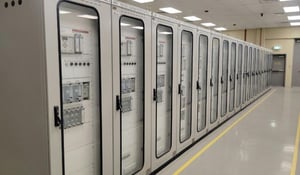
How much does temperature really matter inside a low-voltage switchboard?
It can have a bigger impact than you might expect. As switchboards become more compact and electrical loads increase, managing heat inside the enclosure becomes an important part of achieving reliable, long-term performance.
Heat is a normal by-product of electrical operation, but excessive temperature rise can place additional stress on components and insulation. That is why thermal performance needs to be considered from the early stages of switchboard design, not simply after the equipment has been assembled.
Why Does Temperature Matter in Switchboards?
Every electrical connection and component produces some level of heat when current flows through it. If that heat cannot be effectively dissipated, temperatures inside the switchboard can rise.
Excessive heat can affect the performance and service life of electrical components and insulation materials. It can also contribute to deterioration over time, particularly when equipment operates continuously at high loads.
For switchboard designers and manufacturers, controlling temperature rise is therefore an important consideration for reliability, safety and compliance.
Where Does the Heat Come From?
Several areas within a switchboard can contribute to heat generation, including:
- Busbars: Current flowing through busbars creates heat due to electrical resistance.
- Connections and joints: Poor or high-resistance connections can generate additional heat.
- Circuit breakers and other equipment: Electrical devices generate heat during normal operation.
- Cables and conductors: Current flow through conductors produces heat, particularly at higher loads.
- Enclosed components: Heat generated by individual components can accumulate within the enclosure if it cannot escape effectively.
Understanding where heat is generated helps designers identify potential hotspots and consider appropriate thermal management measures.
What Affects Temperature Rise?
Thermal performance is influenced by several aspects of switchboard design.
Enclosure size and design
The available space inside an enclosure affects how heat moves and accumulates. A compact design may provide less opportunity for heat to dissipate, making the arrangement of components particularly important.
Component arrangement
The positioning of components, busbars and conductors can influence heat distribution throughout the switchboard. Avoiding unnecessary concentration of heat-generating equipment can help improve thermal management.
Ventilation and heat dissipation
Where appropriate, ventilation can help remove heat from an enclosure. Designers need to consider how heat moves through the switchboard and whether the enclosure design provides sufficient means for heat dissipation.
Current loading
Higher electrical loads generally result in greater heat generation. Switchboards should therefore be designed with the expected operating conditions and loading requirements in mind.
Insulation and material selection
Materials used within a switchboard can also influence its thermal and electrical performance. Selecting insulation materials with properties suited to the application can help support reliable operation, particularly around busbars and other areas where electrical insulation and mechanical support are required.
How Can Designers Manage Thermal Performance?
Thermal management should be considered as part of the overall switchboard design process rather than treated as a separate issue.
Some practical considerations include:
1. Understand the expected load
Consider both normal operating conditions and the anticipated loading of the switchboard when assessing thermal performance.
2. Identify potential hotspots
Pay particular attention to busbars, connections and high-current components where heat generation may be concentrated.
3. Optimise component layout
Consider the spacing and positioning of heat-generating components to support effective heat distribution and dissipation.
4. Consider the enclosure design
Evaluate whether the enclosure provides an appropriate environment for managing the expected heat load.
5. Select suitable materials
Choose insulation and supporting materials based on the electrical, mechanical and environmental requirements of the application.
6. Verify the design
Thermal performance should be considered as part of the design verification process to help ensure the completed switchboard performs as intended.
Designing for Reliability
Thermal performance is not simply about keeping a switchboard cool. It is about designing an electrical assembly that can operate reliably under its expected conditions.
As electrical loads increase and switchboard designs become more compact, thermal management deserves greater attention during the design process. By considering load, component arrangement, enclosure design, heat dissipation and material selection from the outset, engineers and panel builders can reduce thermal risks and support safer, more reliable switchboard construction.
Good thermal design starts before the switchboard is built. It starts with understanding how the equipment will operate, and designing every element of the assembly to support that performance.
Improve Switchboard Safety and Reliability with Insulect
Choosing the right materials and components can make a difference to switchboard performance and reliability. Talk to our team about your switchboard requirements and how the right insulation and support solutions can help you build a safer, more reliable assembly.