

Transformer monitoring has always been a complex task. Asset managers are responsible for the health and performance of assets that are both expensive and critical to the reliability of the power grid. A single transformer failure can have widespread consequences, making visibility of asset condition essential.
This task becomes even more challenging when monitoring needs to be done remotely. Without the right systems in place, managing a large fleet of transformers from a distance can introduce gaps in data, delays in decision‑making, and higher operational risk.
Most asset managers have access to some level of transformer health data. Traditionally, however, this has been supplemented by regular site visits to substations, where inspections are carried out and data is physically collected. While this approach has worked for decades, it is increasingly costly, time‑consuming, and difficult to scale—particularly for geographically dispersed fleets.
For many organisations, limited access to sites or reliance on manual processes can mean asset managers simply don’t have the information they need when they need it. This is where technology plays an increasingly important role. Online transformer monitoring systems allow a broader range of condition‑based data to be captured automatically and accessed remotely. While implementing a comprehensive system takes planning and investment, the long‑term operational benefits make it a worthwhile consideration for modern asset management strategies.
Before exploring the available technology, it’s helpful to step back and look more closely at the transformer monitoring challenge itself.
The transformer monitoring challenge
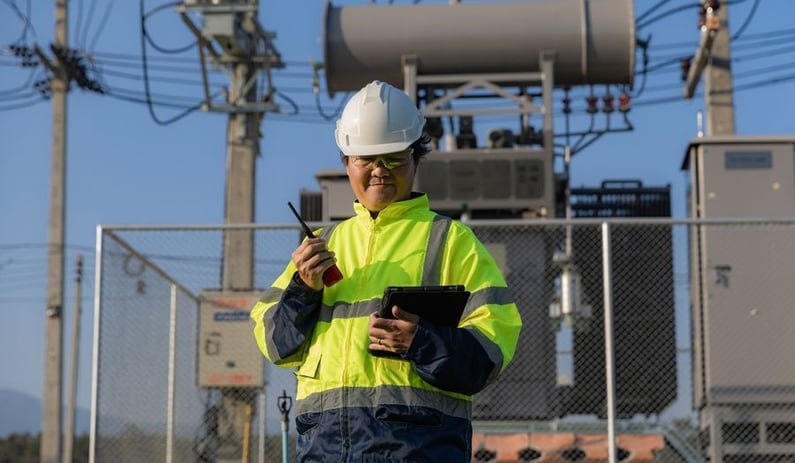
Transformers are large, high‑value assets with long service lives. While their nominal life expectancy is around 30 years, many remain in operation well beyond this. Most transformers perform reliably for decades, requiring minimal intervention. However, the small percentage that fail unexpectedly can cause significant disruption and cost.
Avoiding catastrophic failures requires asset managers to keep a close watch on every transformer in the fleet, not just the ones showing obvious signs of ageing. While extensive research has been conducted into transformer failure modes, failure remains a complex issue that requires ongoing analysis and insight.
Age‑related transformer failures typically fall into several broad categories, including insulation failure, load tap changer failure, winding failure, bushing failure, or general deterioration in overall condition. Identifying the root causes behind these failure modes—and doing so early—depends on monitoring the right indicators across the transformer and its key components.
Not all failures occur late in life. Some transformers experience early failures within their first few years of operation, often linked to issues in design, manufacturing quality, or component specification. These failures can be particularly challenging because they don’t follow the typical ageing patterns asset managers expect.
In regions like Australia, the sheer size of the network introduces another layer of complexity. Transformer fleets are often spread across vast distances, with relatively small teams responsible for maintaining them. Travelling to inspect assets can be expensive and time‑consuming, making remote monitoring capabilities even more valuable.
A crucial first step in developing an effective remote monitoring and management approach is deciding which health data truly matters.
What transformer data should be monitored?
Each organisation will have its own asset management system in place for its transformer fleet, which defines what transformer health data needs to be captured via physical inspection and/or online monitoring. In broad terms, what can be monitored can be divided into three categories:
-
Monitoring specific transformer components - such as the bushings and load tap changer
-
Monitoring transformer condition indicators - such as temperature and moisture
-
Monitoring operational data of the transformer - such as the load and fan operation
One of the best ways to break down the transformer monitoring task is to evaluate what can be monitored on each of the major components that make up the transformer, as the following list and graphic illustrate.
Load tap changer (LTC) monitoring
-
Contact wear status
-
Current position and range
-
Tap run time and count
-
Motor current power
-
Motor actuation counter
-
Alarm set points
-
LTC temperature and differentials
Cooling system monitoring
-
Motor current power and motor run time
-
Alarm set points
-
Cooling bank temperature and differentials
-
Flow indicator status
-
Efficiency status
Bushing monitoring
-
Capacitance current value
-
Capacitance alarm set points
-
Tan delta value
-
Tan delta alarm set points
-
Temperature value
-
Temperature alarm set point
-
Leakage current value and set points
Main tank monitoring
-
Temperature
-
Pressure relief
-
Rapid pressure rise relay
-
Liquid level
-
Smart breather
-
3rd party smart sensors
Winding monitoring
-
Fibre optic winding temperature
-
Simulated winding temperature
-
Partial Discharge (PD)
-
Dissolved Gas Analysis (DGA)
-
Geomagnetically Induced Current (GIC)
Conservator tank monitoring
-
Liquid level
-
Buccholz relay
-
Bladder rupture alarm
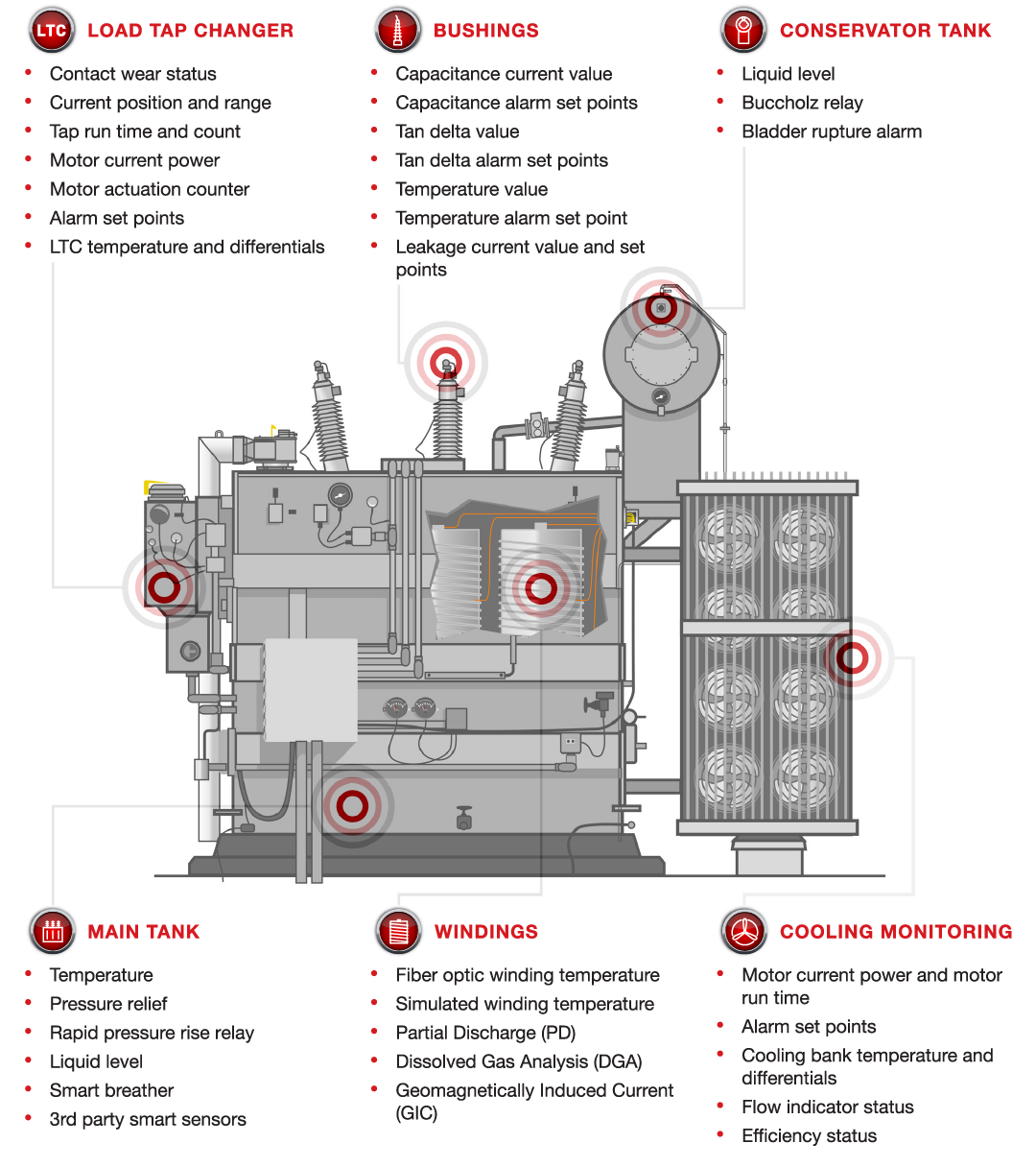
Some of the most commonly monitored data on a transformer - key components, condition indicators and operational data
The advent of “smart” transformer sensors and components
With the right combination of sensors, measurement devices, and systems, asset managers can now access nearly all of the critical data required to protect their transformer fleets remotely. Some technologies have been in use for decades and remain highly trusted, such as traditional temperature monitoring devices that have proven themselves across thousands of installations.
Various “newer” technologies emerged over the past few decades that provide more advanced insights and diagnostics, such as transformer-mounted dissolved gas and moisture analysis (as compared to lab analysis), fibre optic temperature monitoring, self-drying breathers and bushing monitors.
Many such systems have been met by engineering teams with justified apprehension and scepticism:
-
The ability of the devices to continuously operate in outdoor environments was unproven and no-one wants to be the first to implement large scale systems on new technology
-
Field trials often resulted in serious teething problems - some product or technology related; some due to poor implementation and commissioning - all viewed as failures of the technology to do its job
-
Integration of new sensors and their data into existing asset management systems was no small task - it would require a lot of time and resources to implement.
Over the past decade in particular, there have been significant improvements to various “smart” transformer sensors as a result of field data and experience. The latest generation of devices are more robust, reliable and worth looking at again. Below are some examples of the most recent models from Qualitrol:
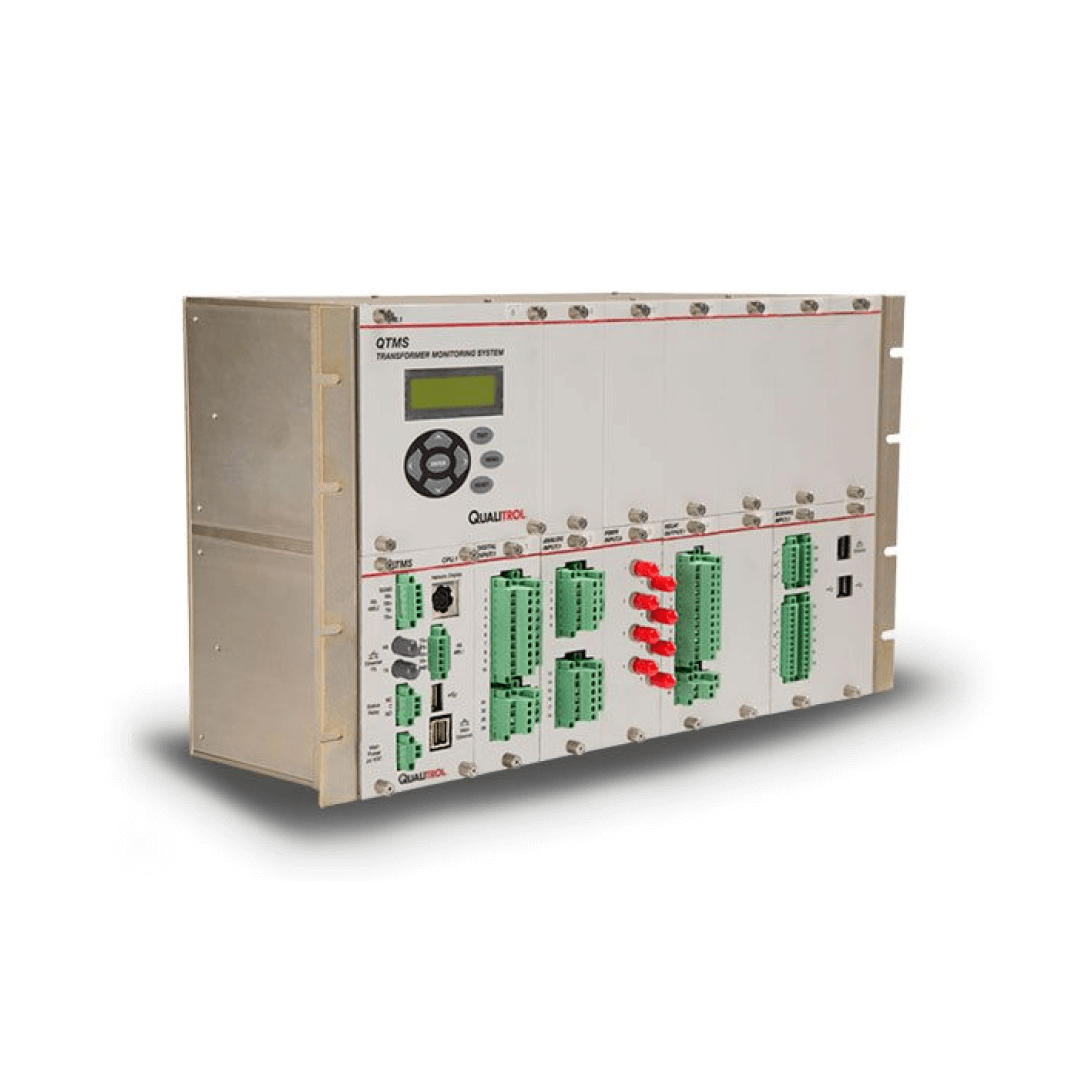


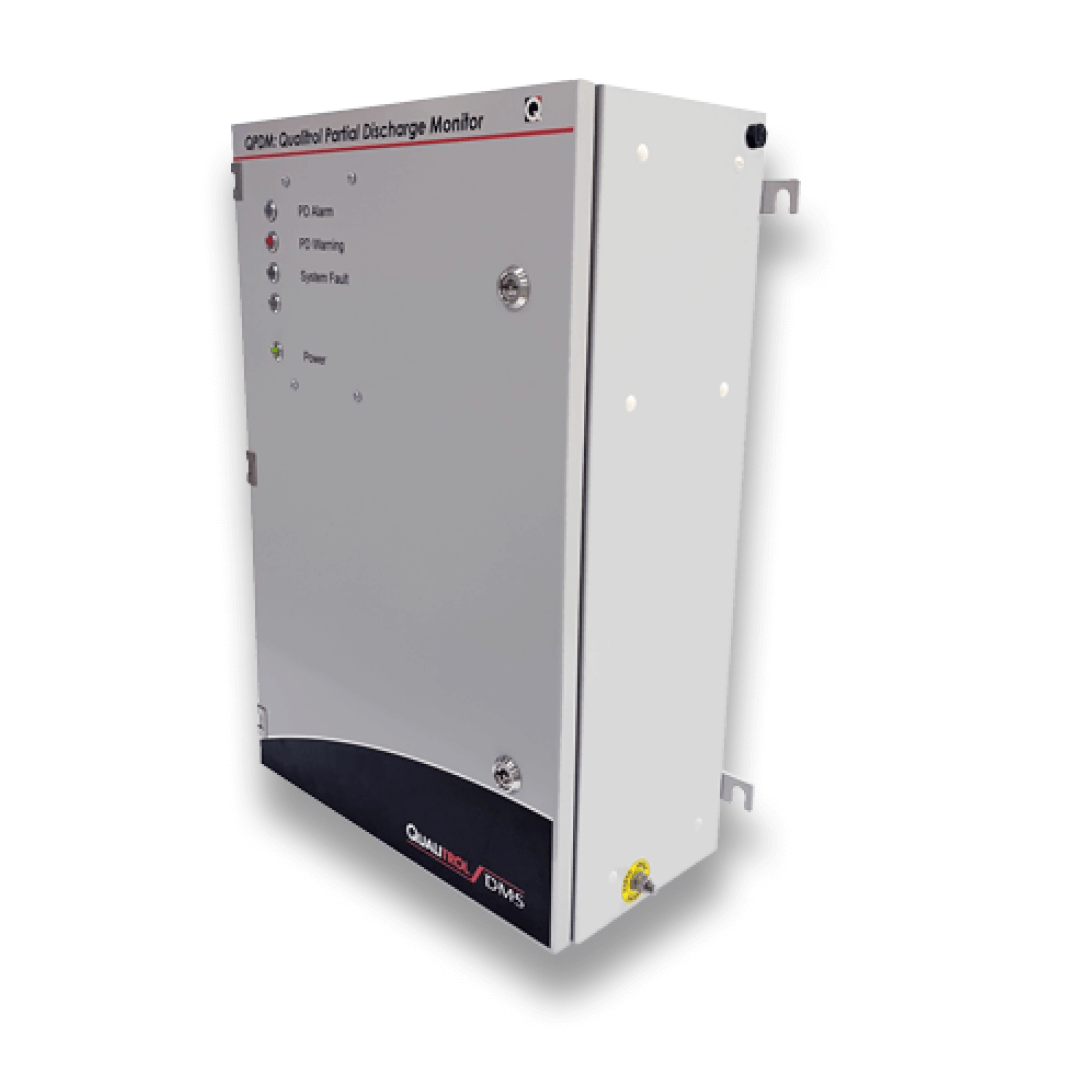
That still leaves the challenge of integrating these new technologies into the existing asset management framework. That’s where smarter monitoring systems, AI and Artificial Neural Networks come in.
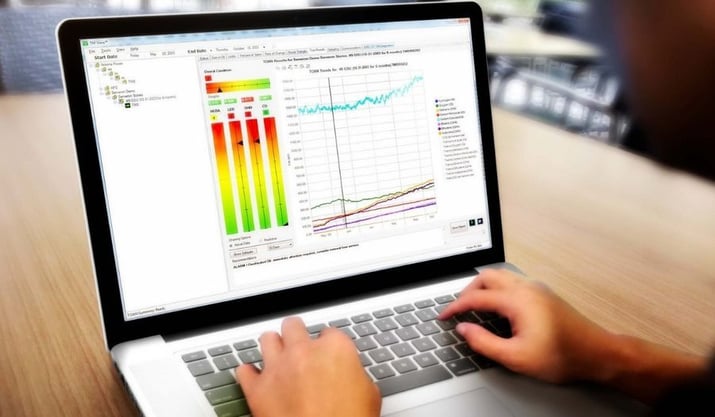
A screenshot from the Qualitrol TOAN enhanced diagnostics software for transformers.
Smart transformer monitoring software, AI and ANNs
One of the growing challenges for the industry is the need to provide greater grid resilience and reliability whilst facing a scarcity of resources to carry out the asset management task. In particular a lack of people with expert knowledge in transformers and condition analysis. This is where software systems can add further value by simplifying the setup and ongoing management of transformer health data.
Many software systems are already capable of the following:
-
Consolidate data from a large population of transformer sensors from multiple vendors
-
Interpret this data using industry standard diagnostic techniques, such as Duval’s Triangle
-
Alarm based on rate of change or absolute value thresholds
This still produces a lot of alarms and leaves a lot of data analysis to the asset management team, requiring significant expertise in this field. For example, where Duval Triangle and Pentagon requires the user to consider the intersection of various gas ratios and the resultant coordinates that the gas concentrations point to, these methods are generally employed only when certain gas limits are exceeded or when gas generation rates hit a certain defined level.
The latest generation of software - what Qualitrol have named “Enhanced Diagnostics” - go a big step beyond this by building this expertise into the software in the form of an Artificial Neural Network (ANN) and other advanced computation methodologies.
The TOAN system (Transformer Oil Analysis and Notification) is the most advanced example of this in a commercially available product. Read more about TOAN and Traditional versus Advanced Transformer Diagnostics here.
Systems like Qualitrol TOAN make it possible to design, implement and operate transformer health management systems with fewer resources and in less time.
The future of transformer monitoring
Many articles have been written in recent years discussing the benefits of working from home as well as the challenges it presents. As with any challenging situation, there are often opportunities that emerge from it. For asset management teams in charge of transformers, there is an opportunity to revisit the technology available to deliver this function more effectively and efficiently.
-
The smart sensors and components that make a wider set of more relevant data available
-
The software systems that go beyond basic analysis and alarming, to provide expert interpretation, automation and exception-based reporting.
Whilst any changes to a comprehensive asset management system will still take time and careful planning, the task is being made easier thanks to recent developments in technology.
And though we’re discussing this topic because of asset management teams who are stuck at home, all of this remains relevant in a post-pandemic world, where expertise is becoming scarcer and the need for greater resilience and reliability in the grid continues to grow.
For more information on this topic or any of the Qualitrol products and systems, reach out to our team.