

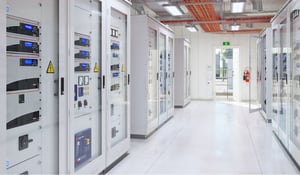
Power system monitoring is the continuous process of observing, measuring, and analysing electrical networks to ensure they operate safely, efficiently, and reliably. It helps identify potential issues early, before they develop into costly failures or unplanned outages.
Key Components of Power System Monitoring
Power system monitoring is typically used in applications where failure could have significant safety, financial, or operational impacts. A complete monitoring system generally includes sensors and metering devices, communication infrastructure, and data management systems working together to deliver real-time visibility and insights.
Sensors and meters
At the core of any monitoring system are sensors and meters that collect electrical and environmental data. These devices are installed at key points across the network to measure parameters such as current, voltage, energy consumption, and real and reactive power.
More advanced systems can also detect disturbances, flicker, harmonics, and transient events. In addition to electrical measurements, sensors may also be used to monitor temperature, moisture, gas levels, and fluid conditions, depending on the asset being monitored.
Communication infrastructure
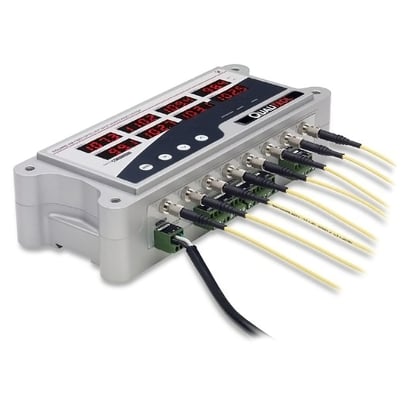
Communication systems link all monitoring components together, enabling data to be transmitted in real time. This connectivity allows operators to see what is happening across the network as it occurs, supporting faster and more informed operational decisions.
Data management systems
Data management platforms collect, process, and analyse information from sensors and meters. The insights are then presented in a usable format, helping engineers and asset managers make informed decisions about performance, maintenance, and risk.
As technology continues to evolve, artificial intelligence and the Internet of Things are playing a growing role in improving data analysis, accuracy, and predictive capability across power networks.

Benefits of Power System Monitoring
Power system monitoring delivers a range of important benefits, all focused on improving safety, reliability, and operational efficiency across the network.
These include:
- Early detection of potential equipment issues
- Improved power quality and system performance
- Optimised asset and network operation
- Enhanced reliability and system security
By identifying inefficiencies and emerging faults early, monitoring systems help reduce unplanned downtime, extend asset life, and support better use of energy resources.
Power system monitoring solutions from Qualitrol
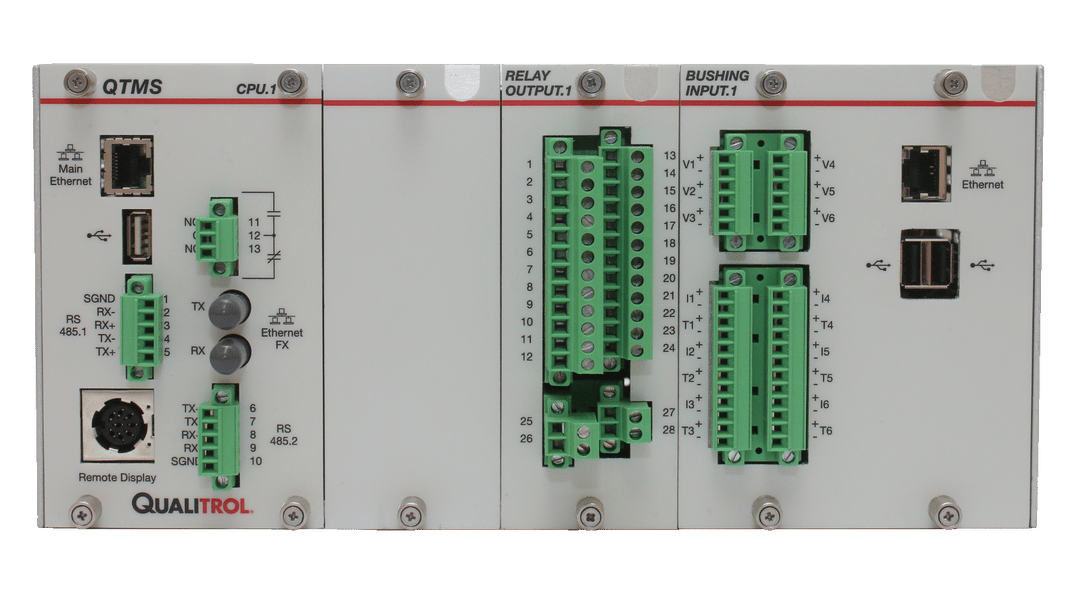
Through Insulect, Qualitrol provides a comprehensive range of monitoring solutions including advanced sensors, condition monitoring devices, and software platforms designed for real-time analysis of power system performance.
These solutions are used globally across electrical networks to deliver insights into asset condition, compliance, operational risks, and system performance.
To learn more about how Qualitrol solutions can help improve reliability and reduce the risk of costly equipment failures, contact Insulect to discuss your requirements in Australia and New Zealand.
References
Hamed Samimi, M. and Dadashi Ilkhechi, H. (2020), Survey of different sensors employed for the power transformer monitoring. IET Sci. Meas. Technol., 14: 1-8. https://doi.org/10.1049/iet-smt.2019.0103
This article originally appeared on Qualitrol’s website and is republished here with permission.